






Teenage skin changes together with the body, self-esteem, daily habits and sensitivity to other people’s words. In this section, we talk about acne, basic skincare, SPF, makeup, social media, stress and adult support in a way that keeps care for appearance from turning into pressure, shame or an endless struggle with oneself.

Teenagers: skin, skincare and self-esteem
About acne, SPF, makeup, social media and adult support that does not hurt
Categories:

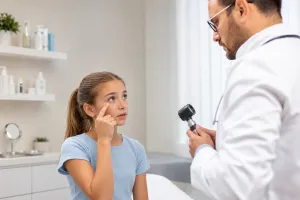
First Dermatology Visit: How to Prepare a Teen for a Calm Consultation
A dermatologist should never feel like someone who is there to “judge your face.” This can become a teen’s first...


Trending Skincare from Social Media: How to Understand That Teenagers Don't Need Acids, Retinol, and "Adult" Actives
When beauty content creates a sense of urgent problems, often what the skin needs is not a new active ingredient,...


Teen Stress Shows on Skin and Sleep: How to Recognize Overload
How to notice exhaustion when a teenager's body speaks through fatigue, breakouts, and insomnia.


Makeup and Hygiene: Simple Rules to Avoid Skin Problems
Personal cosmetics, clean brushes, and gentle cleansing help prevent unnecessary irritation.


Social Media and Appearance: How to Notice When Content Undermines Self-Esteem
When filters, comparisons, and beauty content alter the sense of normalcy, a child needs support, not criticism.

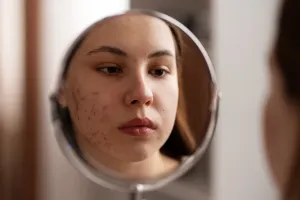
If Your Teen Has Acne: How to Talk Without Hurting Their Self-Esteem (and When to See a Doctor)
What to say, what not to do, and how to offer support while their skin is healing.


SPF for Teens Without the Fuss: How to Make Protection a Habit
Calm agreements with parents, a comfortable product, and a simple ritual without daily arguments.


Minimal Skincare for Ages 12–17: A Simple 3-Step Routine and What to Avoid
How to create a safe daily routine without unnecessary products, harsh treatments, and social media mistakes.

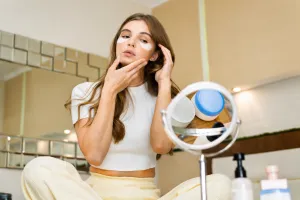
Teenagers and Appearance: How to Support Confidence and Safe Care Without Going Overboard
Self-esteem, skin, social media, and care: how to support a teenager without shame, pressure, or excessive control.
Teenage skin is rarely just a cosmetic topic. Between the ages of 12 and 17, facial care often intersects with first makeup, breakouts, body odor, comparing oneself with others, filters on social media, the fear of “looking wrong” and the wish to quickly fix everything that feels imperfect. That is why a teenager needs not only cleansing, SPF or an acne product, but also an adult nearby who does not dismiss their feelings, frighten them or turn appearance into the central subject of the relationship.
This Union Beauty section is designed as a calm map for parents and teenagers. It includes materials on minimal skincare for ages 12-17, sun protection without daily arguments, acne and how to talk about it, makeup hygiene, the influence of social media on self-esteem, and the way stress can show up through skin, sleep, tiredness and emotional reactions. We do not promote an “ideal” appearance or support the race toward adult beauty standards. Instead, we explain how to build a safe, realistic and sufficient system of care.
Separate materials in this cluster will continue the topic of trending skincare from social media, “adult” active ingredients for teenage skin, mistakes with acids, retinoids and aggressive routines, as well as the first visit to a dermatologist without shame. This matters because teenagers often see ready-made solutions in their feed, but do not always understand that adult skin, acne-prone skin, sensitive skin and skin during hormonal changes need different skincare logic.
In this section, we cover:
- basic skincare for teenagers - what is truly needed every day, and which products are better not to add “just in case”;
- acne, breakouts and irritation - how not to blame a teenager when the skin reacts, and when it is worth seeing a dermatologist;
- SPF and habits - how to make sun protection part of the routine without moralizing or control;
- makeup and hygiene - how to use cosmetics with less risk for the skin, eyes and skin barrier;
- social media and self-esteem - how to notice when content begins to undermine a teenager’s sense of being normal;
- stress, sleep and overload - why skin sometimes becomes the language through which a teenager’s body communicates fatigue.
Our approach is simple: teenage appearance should not become a battlefield. Skincare can be a way to learn to listen to the body, respect boundaries, ask for help and gradually take responsibility for oneself. And the adult in this topic can be not a controller or a critic, but a translator: someone who explains, calms, helps choose a safe solution and notices in time when what is needed is not one more piece of internet advice, but professional support.