





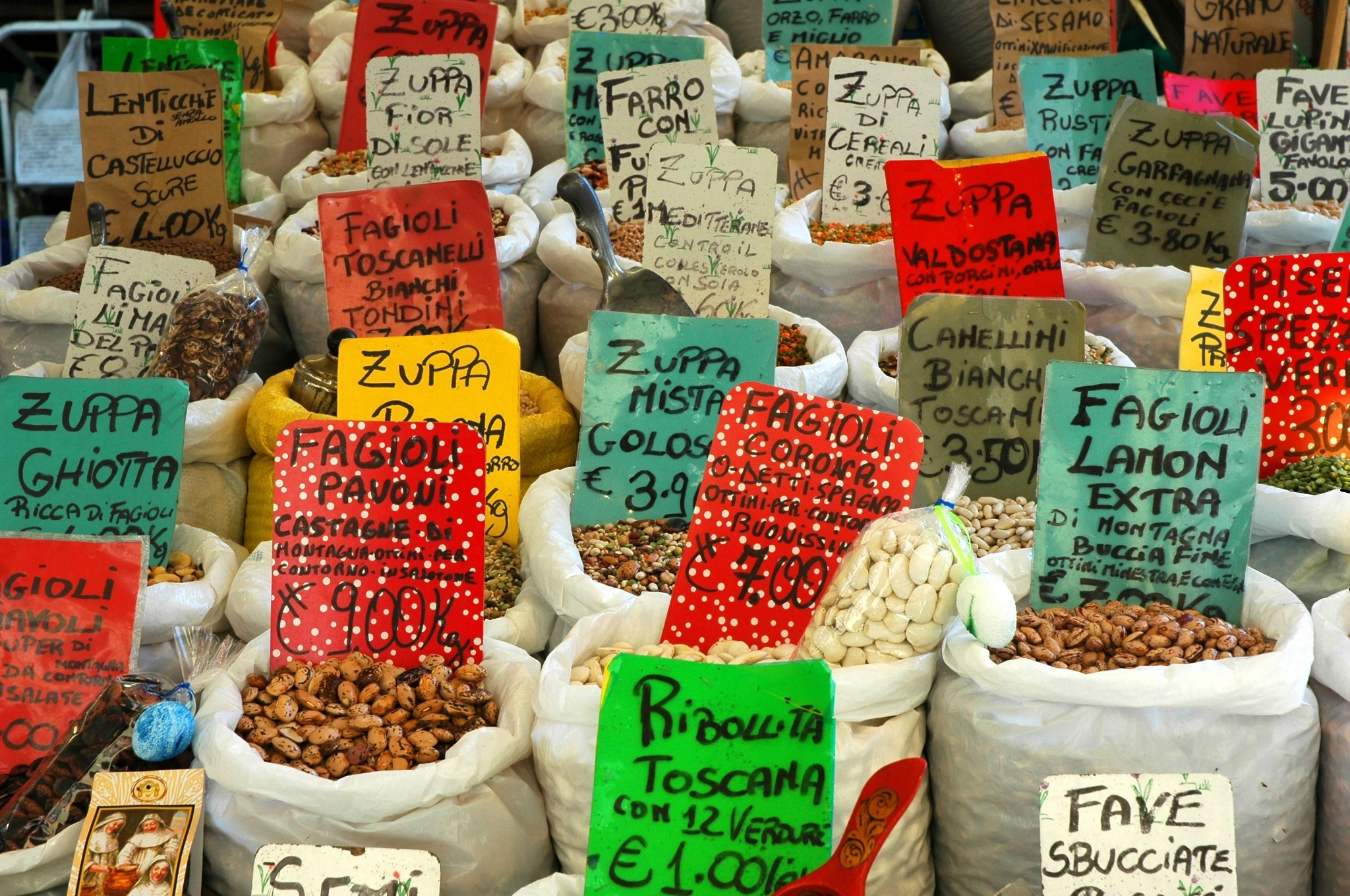
Chickpeas, lentils, and beans can be much more than a side dish or the base for hummus. They work beautifully in warm salads, shakshuka, soups, pasta, and hearty stews. Dishes like these make it easy to add plant protein, fiber, and a range of micronutrients to your diet at the same time. Below are seven ideas made with accessible, everyday ingredients. Most of them don’t require any special equipment, and if you use pre-cooked or canned legumes, they come together in very little time.
Why legumes deserve a place in your everyday diet
Chickpeas, beans, and lentils offer something you don’t often get in meaningful amounts from a single food: both plant protein and fiber. On top of that, they provide folate, iron, magnesium, potassium, and other micronutrients. That’s why a serving of legumes doesn’t have to be just a small addition to a meal — it can easily be one of the main ingredients around which lunch or dinner is built.
Plant protein does have its own characteristics. Legume protein contains essential amino acids, but the balance differs from that of animal protein: most legumes are relatively low in methionine. That doesn’t make them an “incomplete” food, and it doesn’t mean you need to carefully combine protein sources at every meal. In a varied diet, the body gets the amino acids it needs from different foods over the course of the day.
There’s also a nuance when it comes to iron. The iron in legumes is non-heme iron, which is absorbed less efficiently than the heme iron found in animal products. Vitamin C helps improve absorption, so it makes sense to pair chickpeas, lentils, or beans with sweet peppers, tomatoes, broccoli, herbs, or lemon juice.
Different legumes also vary slightly in their nutritional profile. Lentils are typically rich in protein, fiber, folate, and iron; chickpeas, alongside protein and fiber, provide notable amounts of folate, iron, and magnesium; and beans, depending on the variety, can differ in their fiber, folate, iron, and potassium content. These differences aren’t significant enough to justify looking for one single “healthiest” option. In practice, it’s more useful to rotate lentils, chickpeas, and different types of beans in your diet.
When it comes to skin and hair, legumes matter not as a standalone “beauty food” but as part of a balanced diet. They help provide protein, fiber, and micronutrients the body needs for normal tissue function. But a single meal with chickpeas or lentils won’t, on its own, improve your skin or stop hair loss. We talk in more detail about what nutrition can realistically do for the skin — and where its limits are in a separate article.
In practical terms, the takeaway is simple: there’s no need to make legumes the foundation of your entire menu. It’s enough to include them regularly in familiar meals — add chickpeas to salads and shakshuka, lentils to soups and warm dishes, and beans to pasta, stews, or meals with vegetables, fish, or eggs. That way, they become a normal part of a varied diet rather than a separate category of “healthy food.”
f
Dried or canned: the easiest way to cook with legumes
For a quick dinner, canned chickpeas and beans are often more practical than dried ones. Just drain the liquid, rinse the legumes, and they’re ready to go into a salad, soup, pasta, or stew. In other words, a can of beans or chickpeas in the cupboard really can shorten the distance between “what should I cook?” and a finished dinner to just a few minutes. Dried legumes are worth cooking in larger batches. Chickpeas and most types of beans need to be soaked first, then cooked until fully tender. Whatever you don’t use right away can be portioned out and frozen. Red lentils are even easier: just rinse them, and in about 15–20 minutes they soften and break down in a soup or sauce.
Dried red kidney beans deserve special attention. They should be soaked for at least 5 hours, then drained, covered with fresh water, and after coming to a boil, boiled vigorously for at least 10 minutes before being cooked until fully soft. Undercooked beans can contain significant amounts of phytohaemagglutinin, so raw kidney beans should not be cooked only at a low temperature. Canned beans have already gone through the necessary heat treatment.
There’s one more practical point: quantity. If legumes have only appeared in your meals occasionally up to now, you don’t need to start with a large serving right away. A sharp increase in fiber, along with some carbohydrates that are actively fermented by gut bacteria, can cause bloating, so it’s perfectly reasonable to begin with a smaller amount and gradually increase it based on how you feel. If you’d like to better understand how fiber and a diverse plant-based diet are connected to the gut microbiome, we’ve covered that topic in a separate article. In the recipes below, the weight of canned legumes is listed after draining, while dried legumes are listed before cooking. Calories, protein, and fiber are approximate: the numbers will vary slightly depending on the specific products you use.
.webp)
7 dishes with chickpeas, lentils, and beans
1. Lentils with mushrooms, spinach, and feta
If the lentils are already cooked, this warm dish takes about 15 minutes to make.
For 1 serving:
- cooked green or brown lentils — 120 g;
- button mushrooms — 150 g;
- spinach — 70 g;
- feta — 35 g;
- olive oil — 5 g;
- wholegrain bread — 50 g;
- lemon juice — 1–2 tsp;
- salt and black pepper — to taste.
Approximate nutrition: 450 kcal · protein 29 g · fiber 16 g
Slice the mushrooms. Heat a frying pan well, add the oil and mushrooms, and cook over medium-high heat for 6–8 minutes, until the liquid evaporates and the mushrooms begin to brown. Add the cooked lentils, season with salt and pepper, and heat through for another 2 minutes. Add the spinach and stir for about a minute, until the leaves wilt down. Remove the pan from the heat, add the lemon juice, and crumble the feta over the top. Serve with bread.
2. Shakshuka with chickpeas
Chickpeas fit beautifully into shakshuka’s tomato base and make it more filling, while the whole breakfast or lunch comes together in a single pan.
For 1 serving:
- cooked chickpeas — 100 g;
- eggs — 2;
- chopped tomatoes in their own juice — 200 g;
- sweet pepper — 100 g;
- onion — 50 g;
- olive oil — 5 g;
- paprika and cumin — 1/2 tsp each;
- chili — optional;
- salt and herbs — to taste.
Approximate nutrition: 440 kcal · protein 25 g · fiber 13 g
Finely chop the onion and pepper. Heat the oil in a pan and cook the vegetables over medium heat for 5–6 minutes. Add the paprika, cumin, and chili, and stir. Pour in the tomatoes, season with salt, and cook for about 5 more minutes, until the sauce thickens slightly. Add the chickpeas and heat through for 2 minutes. Make two wells in the sauce and crack the eggs into them. Cover the pan with a lid and cook for another 5–7 minutes. The whites should be fully set, while the yolks can stay soft or be cooked through, depending on your preference. Finish with herbs before serving.
3. Homemade hummus with vegetables and warm pita
Hummus doesn’t have to be served only as a small snack. A pita and a generous portion of fresh vegetables turn it into a simple, light lunch.
For 1 serving:
- cooked chickpeas — 100 g;
- tahini — 15 g;
- olive oil — 5 g;
- pita — 60 g;
- cucumber — 100 g;
- tomatoes — 100 g;
- lemon juice — 1 tbsp;
- water — 2–4 tbsp;
- a small garlic clove — optional;
- salt — to taste.
Approximate nutrition: 500 kcal · protein 19 g · fiber 12 g
Place the cooked chickpeas, tahini, lemon juice, a pinch of salt, and 2 tablespoons of water in a blender. If using garlic, add it now as well. Blend until smooth. If the hummus is too thick, add more water one tablespoon at a time, blending again each time, until you get a creamy consistency. Transfer the hummus to a plate and drizzle with olive oil. Warm the pita in a dry pan for 30–60 seconds on each side or for a few minutes in the oven. Serve with sliced cucumber and tomatoes. If you’d like to add more protein, you can serve it with an egg or a few spoonfuls of plain yogurt on the side.
4. White beans with tuna and tomatoes
This is the kind of dish to make when you barely feel like cooking: if the beans and tuna are ready to go, the whole thing takes about five minutes.
For 1 serving:
- cooked white beans — 110 g;
- tuna in its own juice — 100 g;
- tomatoes — 150 g;
- cucumber — 100 g;
- red onion — 30 g;
- olive oil — 10 g;
- lemon juice or wine vinegar — 1 tbsp;
- parsley, black pepper, and salt — to taste.
Approximate nutrition: 410 kcal · protein 39 g · fiber 10 g
Rinse the canned beans and let them drain well. Drain the tuna. Cut the tomatoes and cucumber into large pieces and slice the onion into thin half-moons. If raw onion tastes too sharp, soak it in cold water for 5–10 minutes, then pat dry. Toss the vegetables with the beans, add the tuna, olive oil, and lemon juice or vinegar. Finish with parsley and black pepper. Taste first and only then add salt: canned beans and tuna may already be salty enough.
5. Thick red lentil soup
Red lentils don’t need to be pre-cooked, so the entire soup can be made from scratch in about half an hour.
For 1 serving:
- dry red lentils — 55 g;
- carrot — 80 g;
- chopped tomatoes — 150 g;
- onion — 50 g;
- olive oil — 5 g;
- water — 400–450 ml;
- Greek yogurt — 80 g;
- wholegrain bread — 40 g;
- cumin — 1/2 tsp;
- paprika — 1/2 tsp;
- lemon juice and salt — to taste.
Approximate nutrition: 475 kcal · protein 29 g · fiber 13–14 g
Rinse the lentils thoroughly under running water. Heat the oil in a small saucepan. Add the finely chopped onion and carrot and cook over medium heat for 4–5 minutes, stirring occasionally. Add the cumin and paprika and stir. Add the tomatoes, water, and lentils, then bring to a boil. Lower the heat and simmer for 15–18 minutes, stirring from time to time. The lentils should become fully soft and start to break down. If the soup turns out thicker than you’d like, add a little hot water. You can blend part of the soup for a creamier texture or leave it as it is. At the end, season with salt and add lemon juice. Serve with yogurt and bread.
6. Chili with beans, corn, and avocado
For a quick chili, using pre-cooked beans is the easiest option. That way, the dish takes about 20 minutes from start to finish.
For 1 serving:
- cooked red or black beans — 100 g;
- chopped tomatoes — 200 g;
- corn — 50 g;
- sweet pepper — 100 g;
- onion — 50 g;
- avocado — 40 g;
- thick Greek yogurt — 80 g;
- olive oil — 5 g;
- water — up to 50 ml if needed;
- cumin — 1/2 tsp;
- smoked or regular paprika — 1/2 tsp;
- chili, garlic, and salt — to taste.
Approximate nutrition: 440 kcal · protein 22 g · fiber 15–16 g
Chop the onion and pepper. Heat the oil in a small saucepan or deep frying pan and cook the vegetables over medium heat for 5–6 minutes. Add the garlic, cumin, paprika, and chili. Stir for about 30 seconds, just until the spices become fragrant. Add the tomatoes. If they’re very thick, pour in a little water. Bring the sauce to a gentle simmer and cook for 5 minutes. Add the beans and corn. Stir and simmer uncovered for another 8–10 minutes. By that point, the sauce should thicken and the beans should be fully heated through. Season with salt to taste. Spoon the chili into a bowl and top with sliced avocado and yogurt.
7. Pasta with white beans, tomatoes, and spinach
Here, the beans become part of the sauce. If you mash some of them with a fork, they make it thicker and creamier without adding cream.
For 1 serving:
- wholegrain pasta — 60 g dry;
- cooked white beans — 70 g;
- chopped tomatoes — 150 g;
- spinach — 70 g;
- onion — 40 g;
- olive oil — 5 g;
- Parmesan — 10 g;
- garlic — 1 small clove;
- salt and black pepper — to taste.
Approximate nutrition: 450 kcal · protein 23 g · fiber about 15 g
Cook the pasta according to the package instructions until done to your liking. Before draining, reserve about 100 ml of the cooking water. While the pasta cooks, finely chop the onion. Heat the oil in a frying pan and cook the onion over medium heat for 3–4 minutes. Add the minced garlic and cook for about 30 seconds more. Pour in the tomatoes, season with salt and pepper, and leave over medium heat for 5–7 minutes. Add the beans and heat through for another 2–3 minutes. Mash about a third of the beans right in the pan with a fork and stir them into the sauce. Add the spinach. After 1–2 minutes, when the leaves have wilted down, add the pasta and 2–3 tablespoons of the reserved cooking water. Stir and heat everything together for about another minute. Finish with Parmesan before serving.
How to make legumes a regular part of your diet
If you want to eat legumes more often, there’s no need to plan a separate day for them or search for a special recipe every time. It’s much easier to add them to dishes you already know: a little beans in tomato soup or pasta, chickpeas in shakshuka or salad, lentils with mushrooms or vegetables. Keeping a small запас also helps. You can always keep one or two cans of chickpeas or beans in the cupboard, and cook dried legumes in larger batches, freezing some for later. That way, they stop being something you have to remember to prepare in advance.
It’s also worth keeping the differences between types in mind. Red lentils break down quickly and are ideal for soups and sauces. Green and brown lentils hold their shape better. Chickpeas can be left whole or turned into a purée. White beans have a soft, creamy texture and pair especially well with pasta and soups, while red and black beans work best in rich tomato-based dishes.
At the same time, there’s no need to make every plate as “high-protein” as possible or try to get all your daily fiber in one dinner. Legumes are just one part of a varied diet, alongside vegetables, grains, fish, eggs, dairy, meat, nuts, and seeds. That’s also the principle behind our guide to breakfast, lunch, and dinner ideas: instead of searching for one “perfect” meal, the focus is on different foods and simple combinations you can change from day to day. Today it might be beans with tuna, tomorrow lentils with mushrooms, and the day after that fish, eggs, or poultry. That’s how legumes naturally find their place on the menu, without turning everyday eating into a system of rules. The practical conclusion is simple: there’s no need to choose between chickpeas, lentils, and beans based on which one is “healthier.” What matters more is rotating different types of legumes and pairing them with other foods as part of a varied diet.