






The kitchen influences the skin not through one “perfect” food, but through what happens every day: how we cook, how varied our diet is, and whether the body receives enough fibre, protein, fats and time to recover. This collection looks at food as part of caring for the body — important, but never a substitute for skincare, medical treatment or professional support.
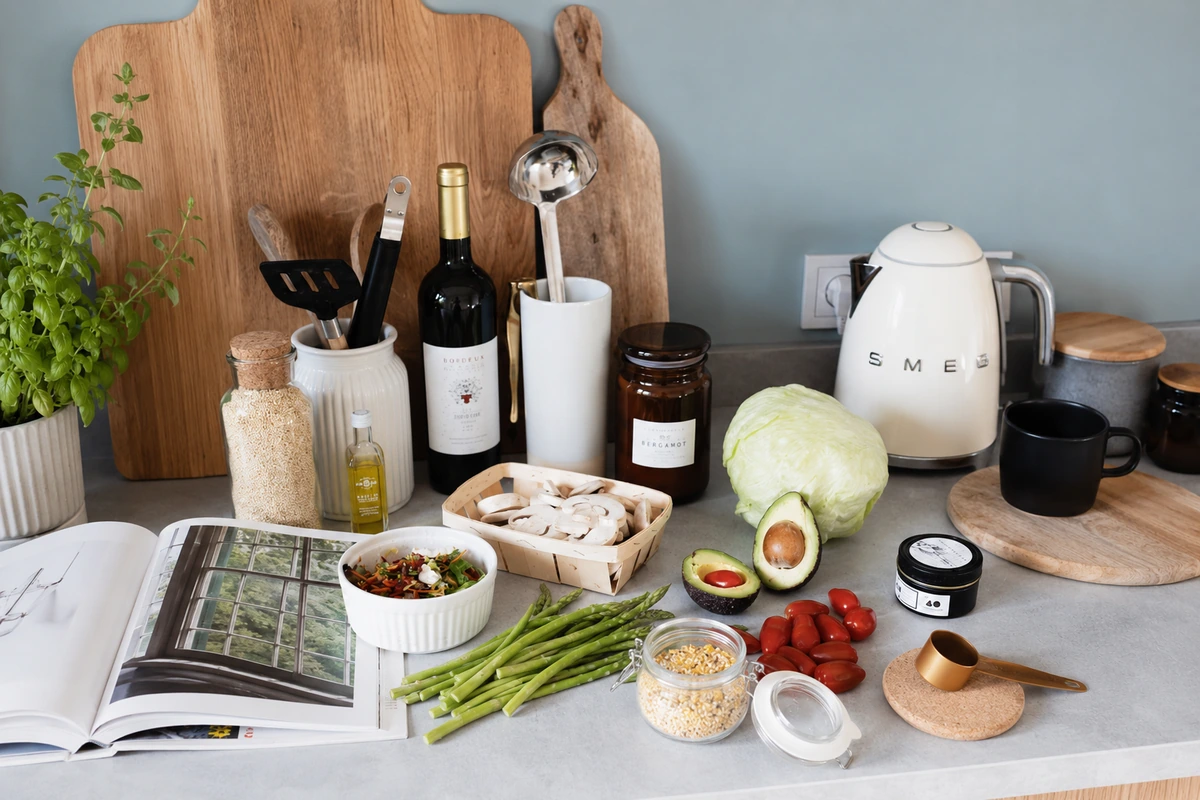
The Kitchen as Part of Skincare: Food, Skin and the Microbiome
How cooking can help support the conditions for skin recovery
Categories:

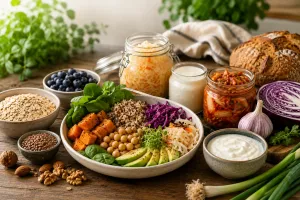
The Microbiome Starts in the Kitchen: Fiber, Fermented Foods, and Skin
How everyday food supports microbial balance, barrier function, and calmer skin.

Glycation Without Fear: How Sugar, Heat, and Cooking Methods Affect the Skin
How glycation affects collagen, skin firmness, and tone — without fear around food or a culture of restriction.

Skin and Your Plate: What Food Can Really Do—and What We Shouldn’t Attribute to It
A no-myth look at how diet affects the skin barrier, acne, the microbiome, and sleep—without the fantasy of “foods for...

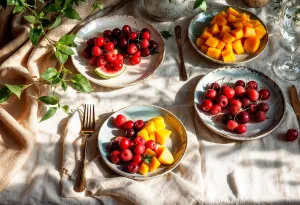
Beauty in the Kitchen: How Food, Rituals, and Flavor Support the Body
On the kitchen as a space where food supports the skin, nervous system, and sense of self.
Skin does not exist separately from the rest of the body. Its condition is shaped by sleep, stress, hormonal changes, barrier function, everyday skincare and the way the body receives energy and nutrients. That is why food has a place in the beauty conversation — as long as it is not reduced to a list of restrictions or a search for something that promises to “clear” the skin from within.
The kitchen matters not only because of what is on the plate, but also because of the way we cook and eat: noticing aromas, choosing textures, recognising when we are full and refusing to turn care into a system of restriction and punishment. What matters is not a single superfood, but the overall rhythm of eating, the variety of foods, the way they are prepared and how well the diet suits the individual.
From the plate to the skin — without simple formulas
The relationship between food and skin is rarely direct. The same ingredient does not affect everyone in the same way, and changing the menu does not guarantee a visible cosmetic result. What may matter instead is the broader dietary context: the amount of plant food, glycaemic load, regularity of meals, alcohol intake, nutritional deficiencies, the amount of ultra-processed food and individual tolerance.
Glycation is a separate part of this discussion. It is a natural process in which sugars interact with proteins and fats. It should be approached without fear: rather than demonising sweets or a browned crust, it is more useful to understand why frequency, quantity and cooking method can matter more than singling out one supposedly “dangerous” ingredient.
The microbiome as part of a larger system
The gut microbiome is involved in digestion, metabolite production, immune function and maintenance of the intestinal barrier. The skin also has its own microbial ecosystem. These systems are not connected in a magical or direct way, but they can influence one another through immune, neural and metabolic pathways.
This is why fibre, fermented foods and plant diversity are part of the collection. Not as a universal recipe for beautiful skin, but as elements of a wider picture. Legumes, cultured dairy products and fermented vegetables may suit one person well, while someone else may need softer textures, a slower pace or completely different combinations.
How food is prepared matters too
Food is shaped by more than its ingredients. Braising, baking, boiling, fermentation, cooling and reheating can alter texture, flavour, digestibility and the composition of certain compounds. A warm lentil dish, a salad, porridge with berries or fermented vegetables create very different bodily experiences, even if they all formally belong to a “healthy diet”.
There is no single correct menu here. What matters is paying attention to how food is prepared, combined and how the body responds to it. Some people feel well with raw vegetables; others do better with soups, baked foods and thoroughly cooked legumes. A mature approach begins not with a rigid plan, but with the ability to notice one’s own response.
Care that does not end at the mirror
Skincare remains the main tool for external care: it cleanses, hydrates, supports the barrier, protects against the sun and addresses specific skin needs. Food cannot replace SPF, retinoids, acne treatment or a dermatologist’s advice. What it offers is something different: nutrients the body uses for repair, steadier energy, satiety and rhythm.
This is the idea behind the collection: not to look for a “glow diet”, but to see the kitchen as another space of care. A place to prepare a balanced evening meal, add more plant foods to the plate, avoid overwhelming the body with sudden experiments and leave room for pleasure and flavour.
The kitchen does not give the skin a magical advantage. It simply adds something to care every day that no jar can provide: nutrients, rhythm, satiety and a way of caring for the body without treating it as a problem to be fixed.