






Sensory skincare is not only about fragrance, texture or pleasant application. It is about how the skin, body and nervous system register cosmetics: through touch, finish, tingling, stickiness, the feeling of a film, coolness, freshness or gentle calming. This section brings together articles about bodily comfort in skincare, skin reactivity, application rituals and the small signals that quietly help us understand whether a product suits us not only by its formula, but also by how it feels.
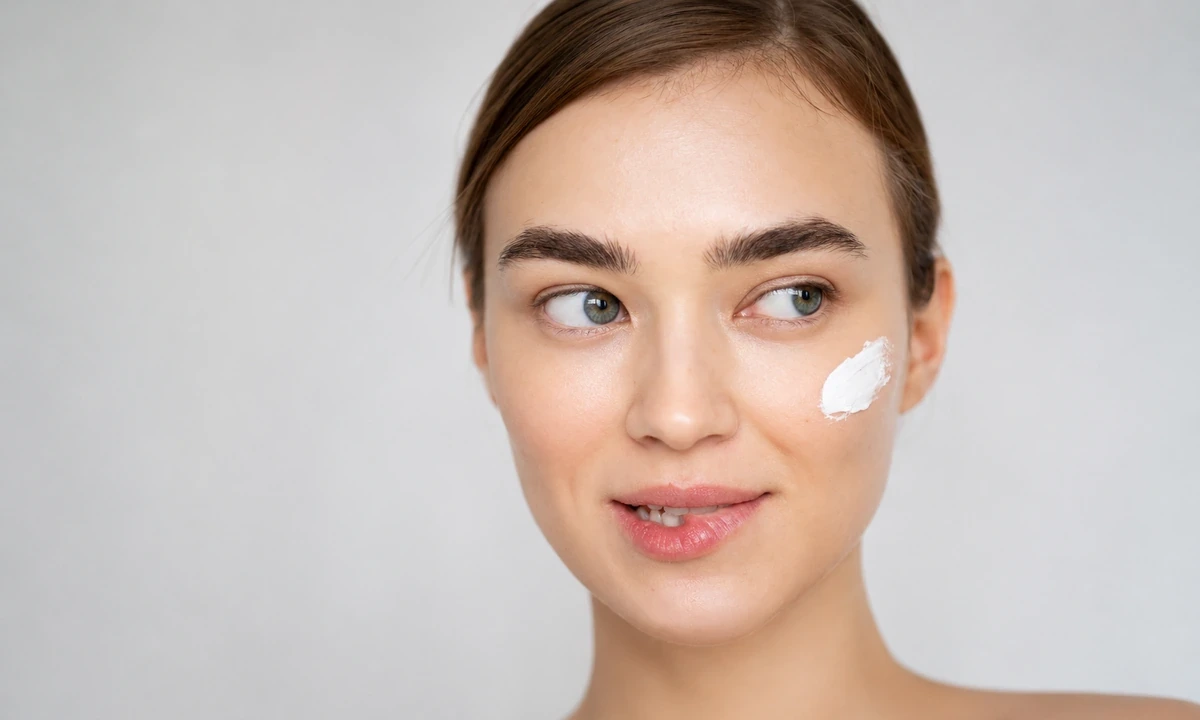
Sensory skincare: how skin experiences cosmetics
About texture, fragrance and bodily signals through which the skin recognizes comfortable care.
Categories:


Sensory Skincare: How Skin Feels Cosmetics
On texture, fragrance, tingling, and comfort — the factors that determine whether skincare truly suits your skin.


When a Product Stings: How to Tell Formula Activity from a Stop Signal
How to tell when your skin is simply adjusting and when the burning is no longer something you should put...

Fragrance in Skincare: When Scent Enhances the Ritual, and When Skin Needs Quiet
How the scent of skincare affects comfort, your care routine, and skin reactivity.


Cream Texture: Why Your Skin Welcomes Some Products and Makes You Want to Wash Off Others
How a cream’s finish, tackiness, film, and richness shape comfort, consistency, and trust in your skincare routine.
Cosmetics are usually described through active ingredients, formulas, skin type and expected results. But in real life, skincare begins earlier - at the moment when a product touches the face. The skin senses the density of a cream, how quickly it absorbs, its fragrance, coolness, warmth, tingling, and whether the finish feels dry or dewy. These first bodily impressions often determine whether a person will use a product every day or leave it on the shelf, even if the ingredient list looks convincing.
Sensory skincare helps us see cosmetics not only as formulas, but also as part of the body’s contact with care. Sometimes mild tingling can be an expected reaction to an active product. Sometimes burning, tightness or the urge to wash a product off immediately are signals that the skin needs a pause, a softer routine or a completely different approach to care. The point is not to fear every sensation, but also not to force the skin to “tolerate” something it clearly does not accept.
Fragrance in cosmetics is a separate topic. For some people, the scent of a cream or serum becomes part of the ritual: it helps them move from rush to calm, creating a feeling of cleanliness, freshness or care. For others, especially those with sensitive or reactive skin, fragrance may become an unnecessary sensory load. That is why sensory skincare has no universal formula. It begins with a more attentive question: how exactly do my skin and my nervous system respond to this product?
This subsection brings together articles about textures, fragrances, tingling, finish, comfort and bodily signals in skincare. They help not only to choose cosmetics more thoughtfully, but also to relate to one’s own sensations with greater attention - without panic, excessive control or the belief that an “effective” product must necessarily feel unpleasant. Good skincare can be active, visible in its results and, at the same time, gentle toward the skin, the rhythm of the day and one’s inner state.