

You’re walking through the mall when a sign in one shop window catches your eye: “Today only – get 20% off the second item.” You think: great deal! So you head inside. As you browse the racks, you spot a glittery top. It grabs your attention right away, so you find your size and toss it into your basket. You don’t even stop to think whether it will go with the rest of your wardrobe. It’s just so pretty and inexpensive. A moment later, you notice a fuchsia wool turtleneck. You remember that a friend wore a similar sweater last year, and you really liked it back then. You pick it up without thinking about the fact that you usually stick to muted colors and rarely wear turtlenecks.
You leave the store with a bag full of shopping. Only then do you remember that you came to the mall just to quickly buy dog food. Two new items will now end up in your closet: a top you’ll probably never wear because it turns out to be too flashy, and a turtleneck that will sit there for months waiting for its turn.
Does this situation sound familiar? If so, this article will help you understand why we buy clothes we never end up wearing — and how to avoid making the same mistakes in the future.
Why do we buy clothes we never wear later?
The pleasure of shopping — when emotions take over
Bad clothing purchases happen more often than you might think. The question is: why is it so easy for us to be tempted by clothes that don’t actually fit our lifestyle? There may be several reasons — from emotions to the pressure of attractive promotions.
We don’t always go to the mall with a specific plan. Sometimes we’re simply looking for a way to spend our free time, and browsing stores feels like a good way to beat boredom. Hundreds of colorful shop windows draw us in from the moment we walk through the door. It’s easy to give in to the temptation. An innocent stroll through the mall can end in an unplanned purchase.
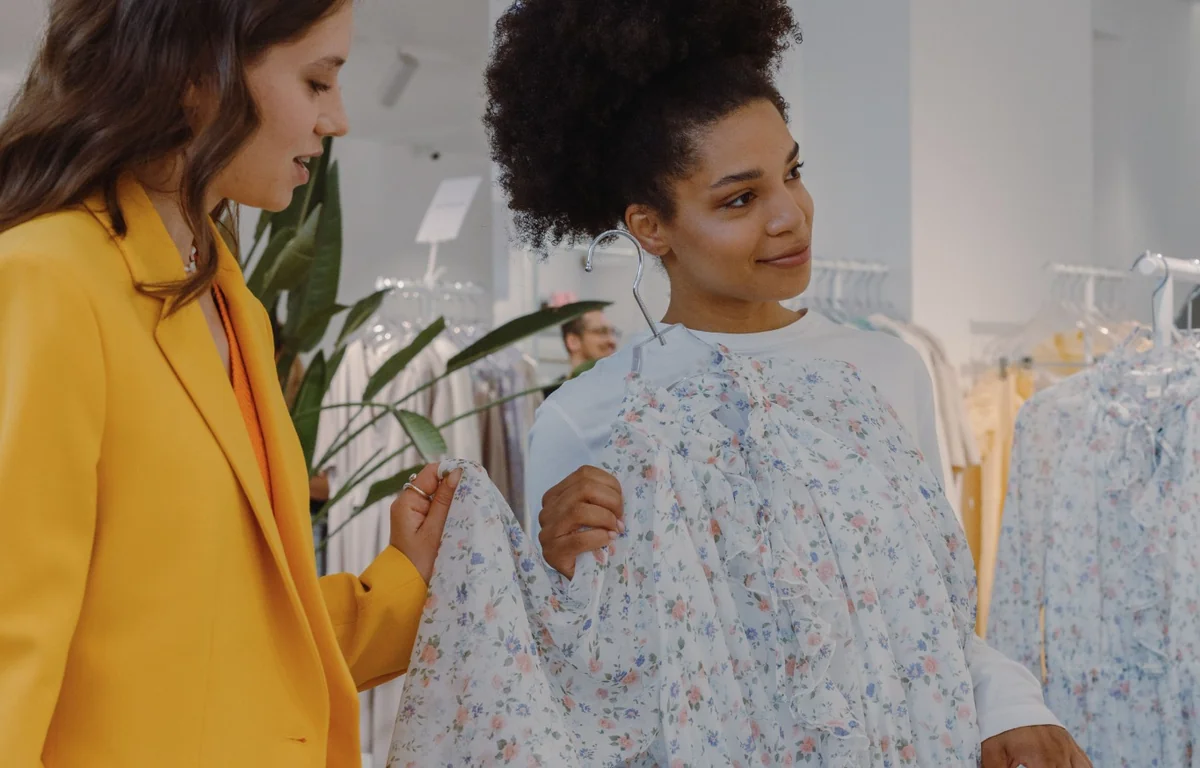
Very often, walking around stores, browsing the racks, and hunting for fashion gems brings us a lot of pleasure. When we finally find something that really catches our eye, we start imagining how we’ll look in it. In our minds, we picture different outfits and occasions where we could wear the new piece. Sometimes while shopping, we choose clothes that match the style we’d like to have, but not necessarily the one we genuinely feel good in every day. For example, we may fall in love with patterned blouses, colorful pants, or bolder accessories, imagining that they’ll make our wardrobe more interesting. In the same way, we might buy an elegant blazer thinking about creating polished, formal outfits, even though we work from home and usually reach for comfortable, casual clothes. In the store, these pieces seem like a great way to refresh our style. In everyday life, however, it turns out that habits aren’t so easy to change. Instead of reaching for the new clothes, we often go back to the familiar pieces we feel best in. As a result, the clothes that seemed like such a great choice in the store often remain unworn for months.
Sales that are hard to resist
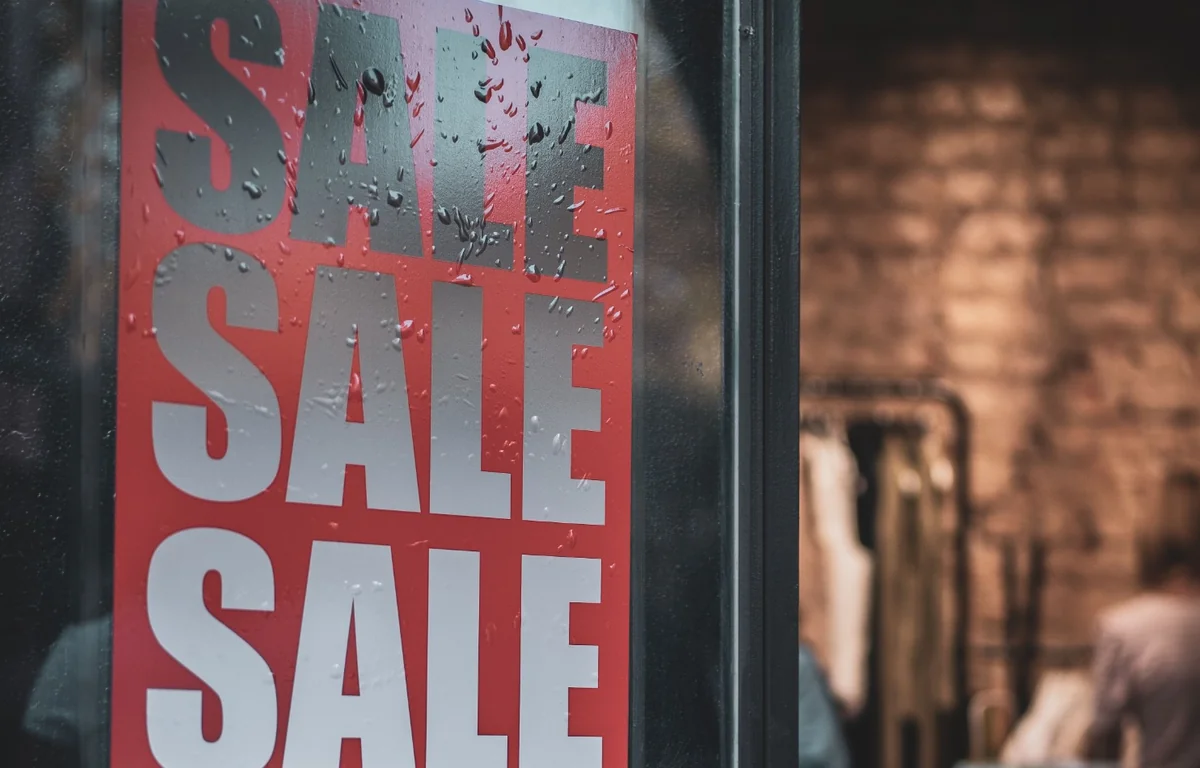
When we notice a red sale tag on a garment, we focus on how much we can save instead of asking ourselves whether we actually need it at all. That makes it easy to make hasty shopping decisions. Instead of evaluating whether the item will really be useful, we start looking for reasons why it’s worth buying.
It feels like if we’re buying something at a better price, then it must be a good opportunity. And if we really are going to wear that item, there’s nothing wrong with that. The problem begins when we buy something only because it’s on sale, hoping that maybe one day we’ll have a chance to wear it. In the end, instead of saving money, we simply create another expense we hadn’t planned at all.
Online shopping
Shopping online is incredibly convenient, but it also makes it easier to make impulsive decisions. While waiting in line, riding the bus, or sitting at home, we can browse clothing websites with ease. It takes only a few minutes for several items we never planned to buy to end up in our cart. All of those clothes and accessories seem beautiful, and we’re already imagining outfits built around them. On top of that, we can visit many online stores in a short time and compare their offers. As we scroll through more and more pages, we come across even more interesting pieces that tempt us with their looks or their price. As a result, it’s easy to lose control of our shopping and spend more than we originally intended.
Giving in to trends
Our shopping decisions are also influenced by fashion trends and the inspiration we absorb from our surroundings. All it takes is for a certain cut or color to become fashionable, and before long we start seeing it almost everywhere — on the streets, in stores, and across social media.
How many times have you wanted a piece of clothing just because you spotted it in outfits worn by a few celebrities? When similar looks keep appearing around us, we begin to see them as more attractive, and we want to have similar clothes in our own closets.
It’s worth remembering that current trends are not a universal formula for looking good. What we like on other people won’t always match our own preferences. We may love a specific outfit, but once we put it on ourselves, we don’t always feel comfortable in it.
One example is EMU-style snow boots, which often show up in fashion inspiration. Even if we like them on other people, it doesn’t necessarily mean we’ll feel good wearing them ourselves. That’s why it’s worth asking yourself whether a trend really suits you before deciding to buy into it.
Why do the clothes we buy end up sitting in the closet?
We buy a skirt that looked amazing in the store. But once we get home, it turns out it doesn’t fit us as well as we expected, or it isn’t as comfortable as we first thought. Even so, we keep it, hoping that someday there will be an occasion to wear it.
When shopping, we don’t always pay attention to whether a garment will be practical for everyday wear. Most often, we judge it by its appearance, color, or cut, forgetting about the properties of the fabric. And yet the fabric itself can determine whether we’ll actually want to reach for that piece again and again.
Imagine a blouse that looks great on the hanger but needs careful ironing after every wash. The same can happen with pants made from a fabric that wrinkles very easily. If getting a garment ready to wear becomes time-consuming, we may gradually lose the desire to wear it. In the end, we more often choose the pieces we can simply take out of the closet and put on right away. That’s why it’s worth thinking not only about how a garment looks while shopping, but also about whether caring for it will be inconvenient.
It also happens that we buy clothes with special occasions in mind — occasions that don’t come around very often. In the store, an elegant dress or a pair of high heels can seem like a perfect choice. Right away, we imagine how we’ll look wearing them to a party, a formal dinner, or another important event. But we don’t always actually have such an outing planned. We often buy something thinking it will definitely come in handy someday, without considering when we’ll really be able to wear it. As a result, the item ends up in the closet waiting for an occasion that may not come for a long time. Of course, that doesn’t mean that every piece worn only occasionally is an unnecessary purchase. Still, it’s worth considering whether we’ll genuinely get use out of it.

How can you avoid regrettable purchases?
Fortunately, there are a few ways to reduce the number of disappointing purchases and make sure the clothes we buy truly match what we actually enjoy wearing.
Give yourself time to decide
Before making a purchase, it’s worth giving yourself a moment to think and check whether you really need the item. If something especially catches your eye, you don’t have to buy it right away. A good approach is to leave the purchase for later and see the next day whether you still want it. Before buying, it’s also worth making sure the garment is comfortable and fits well. Seeing it in the mirror isn’t always enough, so while trying it on, check whether you can sit down comfortably, move freely, and raise your arms. If something already bothers you in the fitting room, there’s a good chance you won’t want to wear it later either. It’s also worth paying attention to practical details that may matter once you start wearing it. Check whether the garment requires special care and whether it has any elements that could get in the way in everyday use. These are easy to overlook when you’re focused mainly on how the piece looks. It’s also a good idea to decide in advance how much money you want to spend on new clothes. Having a set budget makes it easier to pass on items you hadn’t planned to buy, even if their price seems especially attractive.
Before shopping, ask yourself a few questions:
- Do I really need this item?
- Does it go with the clothes I already own?
- Would I still buy it at full price?
- Will I actually have an opportunity to wear it?
Taking a moment to think before buying can help you avoid impulsive decisions. It’s a good rule to follow both when shopping in physical stores and online.
Review your wardrobe
Before you go shopping, it’s worth checking what your wardrobe is actually missing. A quick closet review can be very helpful. Pay attention to the clothes you reach for most often and think about what makes you wear them so willingly. Also take a look at the pieces that have been hanging there for a long time and rarely get used. Maybe they don’t suit your style, they aren’t comfortable, or they’re difficult to build good outfits around. This will make it easier to define your needs and avoid buying more clothes you won’t end up wearing.
It’s also worth looking for new ways to use the pieces you already have in your closet. You can find more inspiration on this topic in the article: “How to Wear Familiar Pieces After 40.”
Plan a few outfits
Before buying something, it’s also worth thinking about what you’ll wear it with. Try to imagine a few outfits built around it, using the clothes and accessories you already have in your closet. If you’re planning to buy a new skirt, think about whether it will work with your blouses, sweaters, and shoes. This makes it easier to judge whether you’ll really have occasions to wear it. If it’s hard to find the right combinations for it, the purchase may not be as good an idea as it first seemed.
Successful shopping isn’t about how many clothes we bring home — it’s about how often and how gladly we wear them. Instead of being guided only by fashion or an attractive price, it’s worth choosing pieces that fit your personal style, your wardrobe, and your everyday needs.