






Reactive skin after 35-40 often does not change suddenly, but gradually: the barrier weakens, sensitization accumulates, hormonal fluctuations affect dryness and sensitivity, and low-grade inflammation makes familiar skincare less predictable. In this Union Beauty collection, we bring together materials about cosmetic allergy, patch testing, labels, overcare, inflammaging and skin recovery without panic, harsh actives or endless experiments.
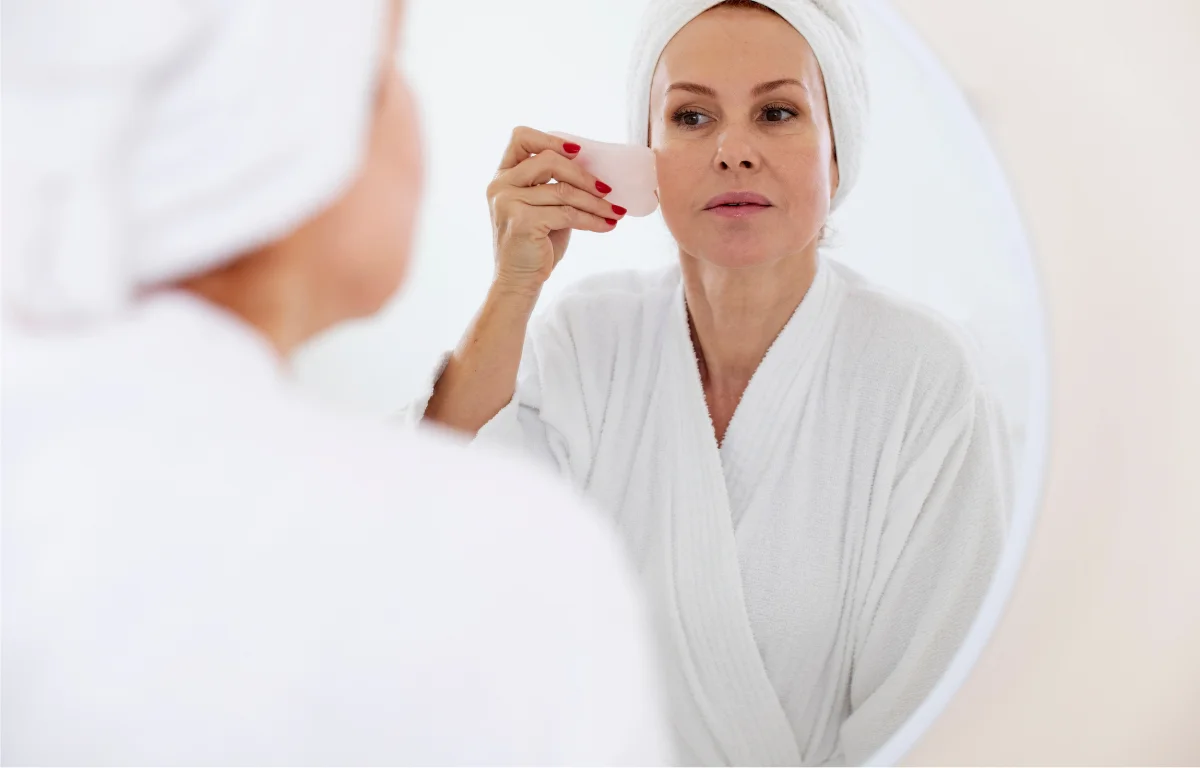
Reactive skin after 35-40: barrier, sensitization, hormones, low-grade inflammation
Why the skin suddenly reacts to familiar care - and how to restore its tolerance.
Categories:


Hypoallergenic, fragrance-free, for sensitive skin: How to Read Labels When Your Skin Reacts to Everything
When your skin reacts to everything, the words on the packaging seem like a promise of safety. But it's important...


Home Patch Testing of Cosmetics: What It Really Shows and What It Doesn't
Trying out a new product at home can be beneficial for reactive skin, but it doesn't replace clinical patch testing.


Inflamaging: how silent inflammation changes the rhythm of skin aging
Silent inflammation gradually reshapes skin structure and accelerates aging.


When Beauty Becomes a Reaction: How to Avoid the Overcare Trap
Sometimes skin needs not another product, but a pause, fewer stimuli and a return to the quiet sense of enough.

Skin Recovery After an Allergic Reaction: How to Rebuild Trust with Your Skin
After an acute reaction, skin needs fewer experiments, more calm, lipid support and a very gradual return to familiar skincare.

Cosmetic Allergy: Why Even an Expensive Cream Can Cause a Reaction
When skin suddenly responds with redness, itching or burning, the reason is not always the price or quality of the...
-lazy-placeholder.webp)
-medium.webp)
Hormonal Age of the Skin: Why Skincare After 40 Must Be Different
How hormones affect your skin after 40 and how to adapt your care: barrier repair, SPF, peptides, retinoids, niacinamide, antioxidants....
The tag “Reactive skin after 35-40: barrier, sensitization, hormones, low-grade inflammation” brings together Union Beauty materials about skin that suddenly begins to react to a familiar cream, gentle cleanser, serum, SPF, fragrance or active ingredient that previously caused no concern. After 35-40, this reactivity often feels unexpected: the routine seems the same, but the skin burns, turns red, feels tight, peels, becomes drier, tires faster or responds with breakouts to products that once worked well.
In this topic, we look at reactivity not as “capricious skin” and not as a reason to immediately change the entire routine, but as a signal from the system. The barrier may be weakened by excessive cleansing, frequent use of acids, retinoids or scrubs, lack of lipids, dry air, sun, stress, poor sleep, hormonal changes or accumulated irritation. Sensitization does not always appear after one product. Sometimes it is the result of a long period in which the skin tolerated too many stimuli - and then stopped compensating for the load.
A separate focus of this collection is restoring the skin barrier after 35-40. In mature skin, recovery after irritation, active skincare, an allergic reaction or seasonal stress may take longer. So the question is not only which product will “calm” redness. It is important to understand what disrupted tolerance: overcare, an unsuccessful combination of actives, fragrances, a contact allergen, harsh cleansing, testing too many new products too often or the inner background - stress, sleep, hormonal rhythm, inflammation, fatigue.
The materials under this tag help distinguish several related but different situations: irritation, cosmetic allergy, barrier damage, temporary reactivity, sensitive skin, inflammaging and age-related sensitization. This matters because the same visible picture - redness, burning, dryness or breakouts - can have different logic behind it. And the response will be different too: sometimes the skin needs a break from actives, sometimes barrier support, sometimes careful label reading, sometimes clinical patch testing, and sometimes a dermatologist consultation if reactions repeat or intensify.
This hub includes materials on how to read labels such as hypoallergenic, fragrance-free and “for sensitive skin” without the illusion of absolute safety. There are texts about at-home patch testing: what it can show and what it can never show. There are also materials about cosmetic allergy, recovery after a reaction, the trap of overcare, hormonal skin age and low-grade inflammation that may change the rhythm of aging. All these topics are connected: reactive skin rarely needs chaos. More often, it needs simplification, observation, less stimulation and a more precise choice of products.
Another important line is overcare and sensitization. In modern beauty culture, it is easy to build a routine in which the skin receives acids, retinoids, vitamin C, peptides, enzymes, cleansing masks, SPF, serums, toners and new textures every day. Some of these products can be useful, but for reactive skin the problem is often not one “bad” product, but the total load. When skincare becomes too active, the skin stops perceiving it as support and begins to respond defensively: with burning, dryness, redness, tightness, uneven tone or an unpredictable reaction to new products.
These materials are for readers looking for specific answers: why the skin became sensitive after 35-40, what to do if a cream causes burning, how to restore the barrier after an allergic reaction, how to understand whether it is irritation or allergy, how to read cosmetic ingredients for reactive skin, whether at-home patch testing makes sense, how not to worsen the condition with actives, why skin reacts to a fragrance-free product and how to return to skincare without fear. This is not a collection about one “perfect routine for everyone”. It is a space for an attentive, evidence-based and calm approach to skin that has lost predictability.
Union Beauty gathers these texts for those who want not only to calm today’s reaction, but to understand how the skin arrived at this state. Reactivity after 35-40 is not a sentence and not a reason to give up skincare. But it is a reason to change the lens: less haste, fewer random actives, less faith in loud promises on labels, more attention to the barrier, rhythm, repeated reactions, product formulas and the skin’s own sensations. When skincare stops being a field of experiments and becomes a language of recovery, the skin gets a chance to gradually regain tolerance, calm and trust.