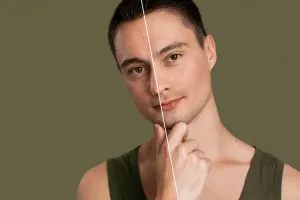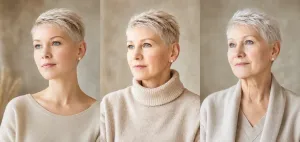



Modern cosmetology offers many ways to improve skin condition, address age-related changes, and enhance the natural features of the face. Injectable treatments, device-based technologies, and a wide range of skincare procedures have become more accessible, while social media has made information about them part of everyday life. At the same time, as cosmetology grows in popularity, so do patients’ expectations. People often come to a consultation hoping for instant results, wanting to solve several concerns in a single visit, or trying to recreate an outcome they saw in someone else’s photo.
In my practice, I increasingly encounter situations where a patient arrives with a ready-made decision about the procedure they want. For example, someone sees a popular treatment on social media, reads positive reviews, and becomes convinced that it will solve their problem. However, during the consultation, it often becomes clear that their concern is quite different and requires a different approach.
In my opinion, one of the main problems in modern cosmetology is not a lack of effective methods, but a misunderstanding of what they can actually do. It is important not only to know which procedures exist, but to understand when they are truly appropriate.
Expectations That Do Not Match the Real Capabilities of Cosmetology
Most often, patients expect a single procedure to solve a complex issue. For example, to fully lift the facial contour, remove deep wrinkles, eliminate pigmentation, or restore the skin to how it looked ten years ago.
Another common situation is the desire to replicate someone else’s result. A patient comes in with a photo of a blogger or an acquaintance and asks to look the same. But the final aesthetic outcome depends on anatomy, tissue condition, age, genetics, and many other factors. That is why the same procedure cannot guarantee the same changes for everyone.
In such cases, I first try to understand what exactly the person wants to change about their appearance. Sometimes, behind the wish to have a specific injectable procedure lies a completely different concern — for example, improving skin quality or getting rid of visible signs of fatigue. In that case, we discuss alternative options.
I always emphasize that cosmetology should not begin with choosing a trendy procedure. First, it is necessary to understand what exactly is bothering the person, why the issue has appeared, and which methods can truly help.
Fillers: When Added Volume Does Not Improve the Result
Dermal fillers remain one of the most in-demand procedures. Hyaluronic acid-based fillers can be used to correct the shape and volume of the lips, treat specific areas of the face, and restore lost tissue volume.
However, this is precisely the treatment that patients often perceive as a universal anti-aging solution. Nasolabial folds have appeared — they need to be filled, the face looks tired — add volume, the facial contour seems less defined — correct several areas.
In reality, age-related changes are not always linked to volume loss. The appearance of the face is influenced by skin condition, changes in subcutaneous fat, the ligamentous support system, and bone structures. That is why filler injections do not always solve the problem, and excessive amounts of product can disrupt natural proportions.
There are cases where a patient wants to add volume to a certain area, although after assessing their anatomy, it becomes clear that this will not improve the overall harmony of the face. In such situations, I explain why additional volume does not always mean a better result and suggest considering other correction methods.
FROM CLINICAL PRACTICE
For example, a patient comes in asking to correct nasolabial folds with fillers. During the examination, it becomes clear that their prominence is related not only to the local features of that area, but also to changes in tissue volume and position in the midface. In this situation, isolated filler placement without considering the overall anatomy may produce an unnatural result and further weigh down the tissues. That is why I explain to the patient why I do not recommend filling the folds right away and suggest considering a comprehensive correction approach based on tissue condition and real indications.
A similar situation arises with lip correction. Some patients focus on pronounced volume without taking their own anatomy into account. However, a harmonious result does not necessarily mean large lips. Sometimes, it is enough to subtly correct asymmetry or enhance the natural shape.
I would also like to emphasize injection safety. Even procedures involving widely used products carry potential risks. One of the most serious possible complications during filler injection is vascular occlusion — meaning the product enters a blood vessel or compresses it. This can lead to impaired blood supply to the tissues, skin necrosis, and in some cases, vision problems. That is why a doctor must have a thorough knowledge of vascular anatomy, use safe injection techniques, and have a clear action plan in case of complications.
It is important to understand that the decision to inject filler should be based on anatomical indications, not only on the patient’s aesthetic wishes. Previous injections and the presence of filler already in the tissues must also be taken into account.
Biorevitalization: Not a Universal Solution for Every Skin Type
Biorevitalization is often described as a procedure for hydration and improving skin quality. It can indeed be beneficial when properly indicated, but its capabilities are often overstated.
Patients expect that after a course of treatments, wrinkles will disappear, skin texture will become smoother, pigmentation will fade, and a noticeable lifting effect will appear. But biorevitalization cannot solve all of these concerns at once.
It is also important to understand that biorevitalization is not one universal product. Formulations differ in composition, concentration, and properties: some contain hyaluronic acid, while others may include additional components. Accordingly, their intended uses and the evidence supporting their effectiveness also differ.
Research on injectable hyaluronic acid shows potential improvements in skin hydration and radiance, but does not confirm an equally pronounced effect on all markers of aging, particularly elasticity and pigmentation. Therefore, it is incorrect to apply the results of studies on one product to all biorevitalization treatments.
In my practice, I explain to patients that this procedure does not replace acne treatment, does not eliminate significant ptosis, and is not a standalone method for correcting deep wrinkles. Its role is to work on skin quality and hydration within the limits of what a specific product can offer.
Likewise, it is unrealistic to expect injections to make up for the absence of consistent at-home care. If a person does not use sun protection, cleanses the skin incorrectly, or ignores its basic needs, even professional procedures will not provide long-term results.
Device-Based Treatments: Why One Device Cannot Solve Everything
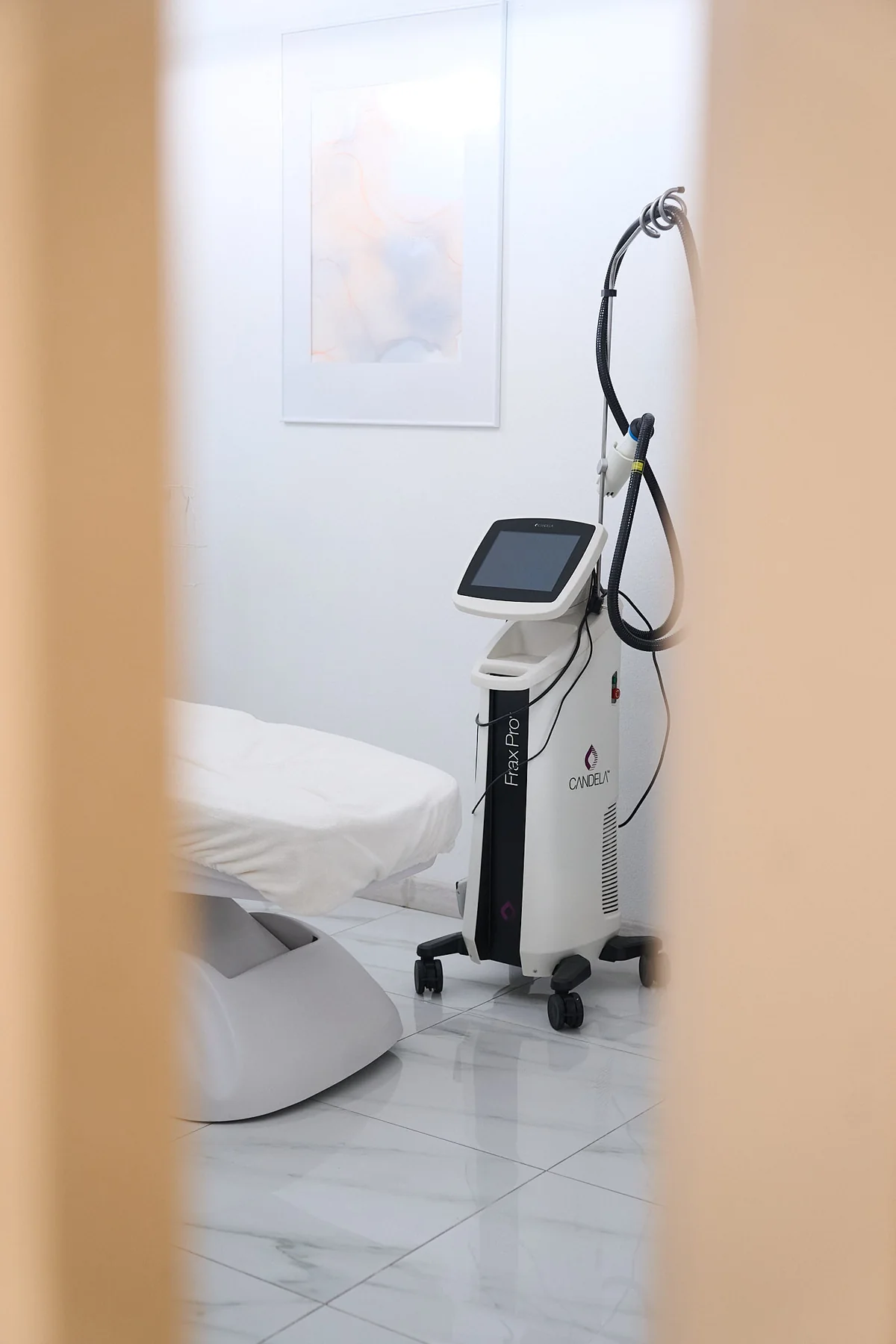
Another category of procedures surrounded by inflated expectations is device-based cosmetology. This is especially true for treatments aimed at tightening the skin and improving its density.
For example, microneedling RF lifting can be an effective tool for addressing certain signs of aging. It affects the tissues through radiofrequency energy and stimulates collagen remodeling processes.
However, it is important to understand the difference between improving skin quality and achieving a full tissue lift. If a patient has a mild decrease in skin density, a device-based treatment may be appropriate. But when there is a pronounced excess of tissue or significant ptosis, it is unrealistic to expect a result comparable to a surgical lift.
Special attention should also be paid to the safety of microneedling RF. In October 2025, the U.S. Food and Drug Administration (FDA) issued a warning about serious complications reported after the use of certain RF microneedling devices. These included burns, scarring, unwanted loss of subcutaneous fat, tissue deformation, and nerve damage.
This does not mean that everyone should avoid the procedure. But it once again confirms that RF lifting is a полноценное medical intervention that requires proper evaluation of indications, knowledge of anatomy, experience with the specific device, and individualized parameter selection.
The outcome depends on the initial condition of the tissues, the characteristics of the device, depth of treatment, energy settings, technique, and the individual response of the body. That is why choosing a procedure based only on its popularity or the number of positive reviews is not advisable.
Why the Same Procedure Can Produce Different Results
One of the main mistakes is comparing your own result to someone else’s. Even if two patients undergo the same procedure on the same device, the effect may differ significantly.
This is explained by anatomical features, skin thickness, distribution of subcutaneous fat, the initial condition of the tissues, age, genetics, and lifestyle.
For example, a procedure that works well for a patient with early signs of reduced skin density may be insufficiently effective for a person with more pronounced age-related changes.
That is why a consultation is necessary before any intervention. The doctor should assess the condition of the skin, clarify the patient’s expectations, and explain what result can realistically be achieved.
When It Is Better to Say No to a Popular Procedure
A professional consultation should not always end with a procedure being prescribed. Sometimes the right decision is to postpone the intervention, choose a different method, or first focus on restoring the skin.
For example, if a patient is concerned about pigmentation, the first step is to determine its type and cause. Not every type of pigmentation can be treated with the same laser or peel.
If a person seeks help for breakouts and wants to have regular facials or extractions, it is important to explain that acne is a dermatological condition that requires comprehensive treatment. A cleansing procedure may be used as a supportive measure when indicated, but it does not replace therapy.
FROM CLINICAL PRACTICE
There was a case when a patient came in for a chemical peel because of uneven skin tone and post-acne marks. However, during the examination, I noticed pronounced dryness, redness, and signs of a compromised skin barrier. In this condition, performing a peel could have intensified irritation, triggered an inflammatory response, and prolonged the recovery period. That is why I recommended postponing the procedure and first focusing on skin restoration: choosing a gentle cleanser, products to support the barrier function, and consistent sun protection. We could return to post-acne correction once her skin condition had stabilized.
A doctor’s willingness to refuse an unnecessary procedure is one of the key signs of a professional approach. After all, our task is not to offer as many interventions as possible, but to choose the most appropriate solution.
How to Tell the Real Capabilities of Cosmetology from Advertising Promises
Today, it is becoming increasingly difficult for patients to separate medical information from marketing. Especially when ads promise instant rejuvenation, a perfectly defined facial contour in one session, or the complete elimination of age-related changes with no downtime.
I advise paying attention to several things.
First, a good specialist does not promise the same result to everyone. They explain what the effectiveness of the procedure will depend on in your specific case.
Second, it is important that the doctor speaks openly not only about the benefits, but also about the limitations, contraindications, and possible risks.
Third, before the procedure, the patient should understand what result to expect, when it will appear, how long it will last, and whether a course of treatments is needed.
And finally, it is worth being cautious if you are offered the same set of procedures without a prior assessment of your skin condition and individual needs.
Cosmetology as a Long-Term Strategy
In my work, I focus on achieving results that look natural, match the person’s anatomical features, and preserve the harmony of the face. It is important to me that the patient understands why we are choosing a particular method, what changes we expect, and what limitations it has.
Cosmetology should be a consistent, long-term approach — not a chase after trends. Sometimes the best solution will be a specific procedure, sometimes a comprehensive approach, and sometimes no intervention at all. What matters most is that every decision has a sound medical basis and reflects the patient’s real needs.
ABOUT THE AUTHOR
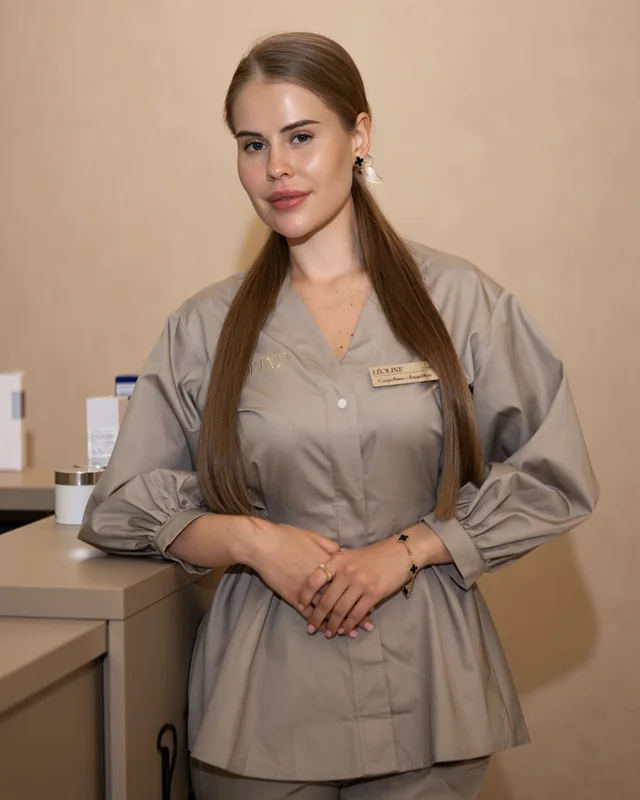
Yelyzaveta Kosmachova
A cosmetologist physician with a higher medical education and the owner of the LEOLINE Cosmetology aesthetic medicine clinic. She specializes in injectable and device-based treatments, biorevitalization, mesotherapy, lip correction, and comprehensive protocols for improving skin quality.