





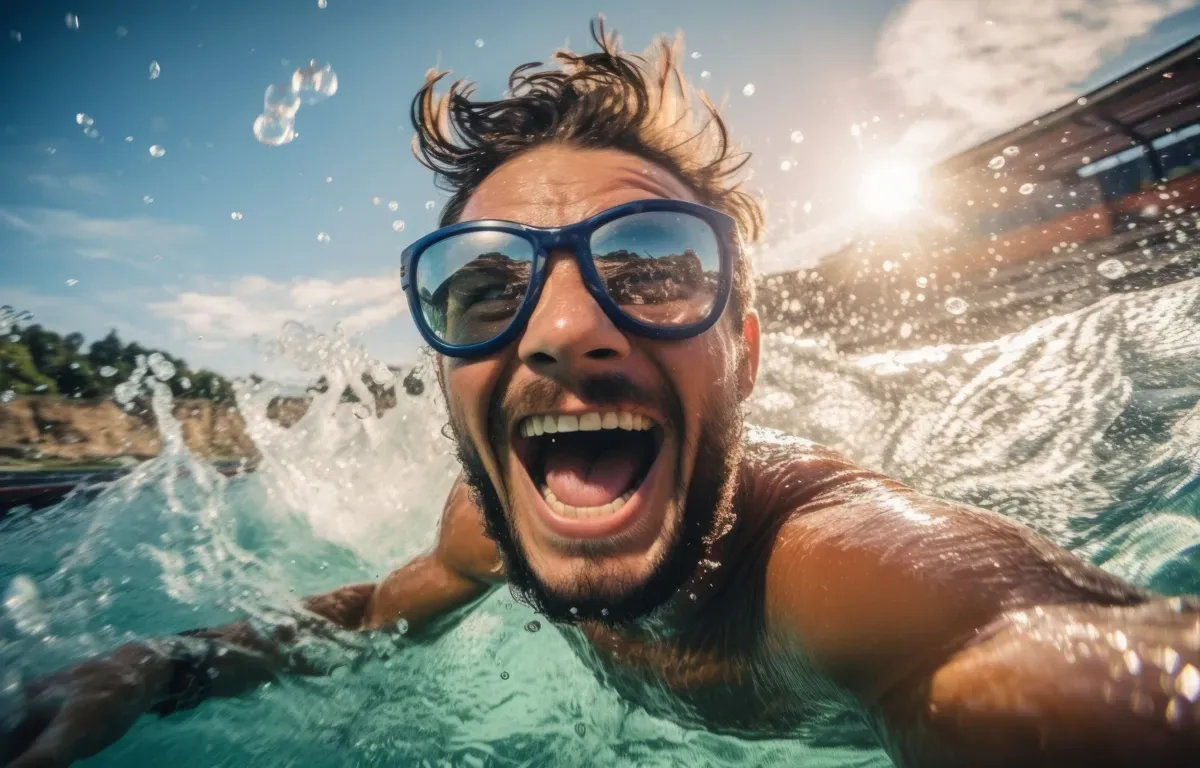
Hobbies are often seen as entertainment, but from a neuropsychological perspective they are a sensory mechanism of nervous-system regulation. The body reacts to certain activities much faster than the mind does: it recognises safety and pleasure through touch, rhythm, smell, water and light. This is why people instinctively reach for crafts, plants, cooking or water long before they can explain why these activities help them feel calmer and more stable.
In previous Union Beauty materials — on how adults grow through hobbies and how hobbies build willpower in children — we explored the psychological domain. Now we shift to hobbies as a neurophysiological tool working directly with the body, brain and hormones.
The Body Reacts First: Sensory “Windows of Safety”
The nervous system constantly evaluates whether we are in danger or in stability. This process is automatic and depends on sensory input: touch, rhythm, water, smells, temperature and light.
When a hobby activates one of these “windows of safety”, the parasympathetic system turns on, breathing evens out, brain waves slow down and cortisol drops.
Hobbies are a way to reboot the body’s self-regulation system — not just a distraction.
The Neurobiology of Pleasure: Why Different Hobbies Work Differently
Scientific data show that different activities activate distinct hormonal and neural pathways:
- Dopamine — fine motor activity, learning new skills, crafts, instruments.
- Oxytocin — touch, warmth (dough, baking), caring for animals or plants.
- Serotonin — light, movement, gardening, rhythm, slow repeated motions.
- Endorphins — water, steady motion, low-intensity physical activity.
This means “pleasure” is not accidental — it is a precise biological match between the body and a specific type of activity.
The Most Pleasant Hobbies for the Body
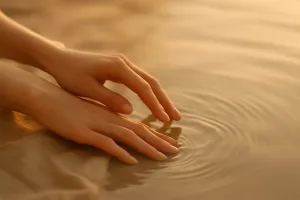
1. Water: Swimming, Aqua Yoga, Sea Walks
Water regulates the nervous system through three mechanisms:
- Hydrostatic pressure lowers heart rate and stabilises the autonomic system;
- Repetitive movements activate rhythmic brain centres and reduce anxiety;
- Warm water relaxes muscles and releases physical tension.
Research consistently shows that water is one of the most effective natural anti-stress environments.
2. Hand-Based Hobbies: Ceramics, Knitting, Woodcarving, Model Making
Fine motor activity has a direct neuroplastic effect:
- it activates brain regions responsible for focus;
- it stabilises emotional regulation;
- it triggers dopamine through the process itself rather than the result.
Many people unconsciously slow their breathing during such hobbies — a clear sign of parasympathetic activation.
3. Cooking: Smells as Instant Neural Safety Signals
Smell is the fastest route to the limbic system. It bypasses the cortex and immediately activates memory and emotional centres.
Thus, cooking-related hobbies:
- lower cortisol through thermal and aromatic cues;
- create a sense of warmth and grounding;
- stimulate oxytocin through the act of preparing food — a symbol of care.
This is why cooking becomes a stabilising ritual during stressful periods.
4. Gardening: Serotonin from Soil and Slow Brain Waves
Studies show that soil contains specific bacteria, Mycobacterium vaccae, which influence serotonin production and improve mood.
Additionally:
- slow repeated hand movements alter brain-wave patterns;
- natural textures reduce amygdala activation;
- the colour green stabilises the autonomic system.
It is no surprise that gardening is often chosen by people experiencing emotional overload.
5. Rhythmic Creative Hobbies: Instruments, Calligraphy, Drawing
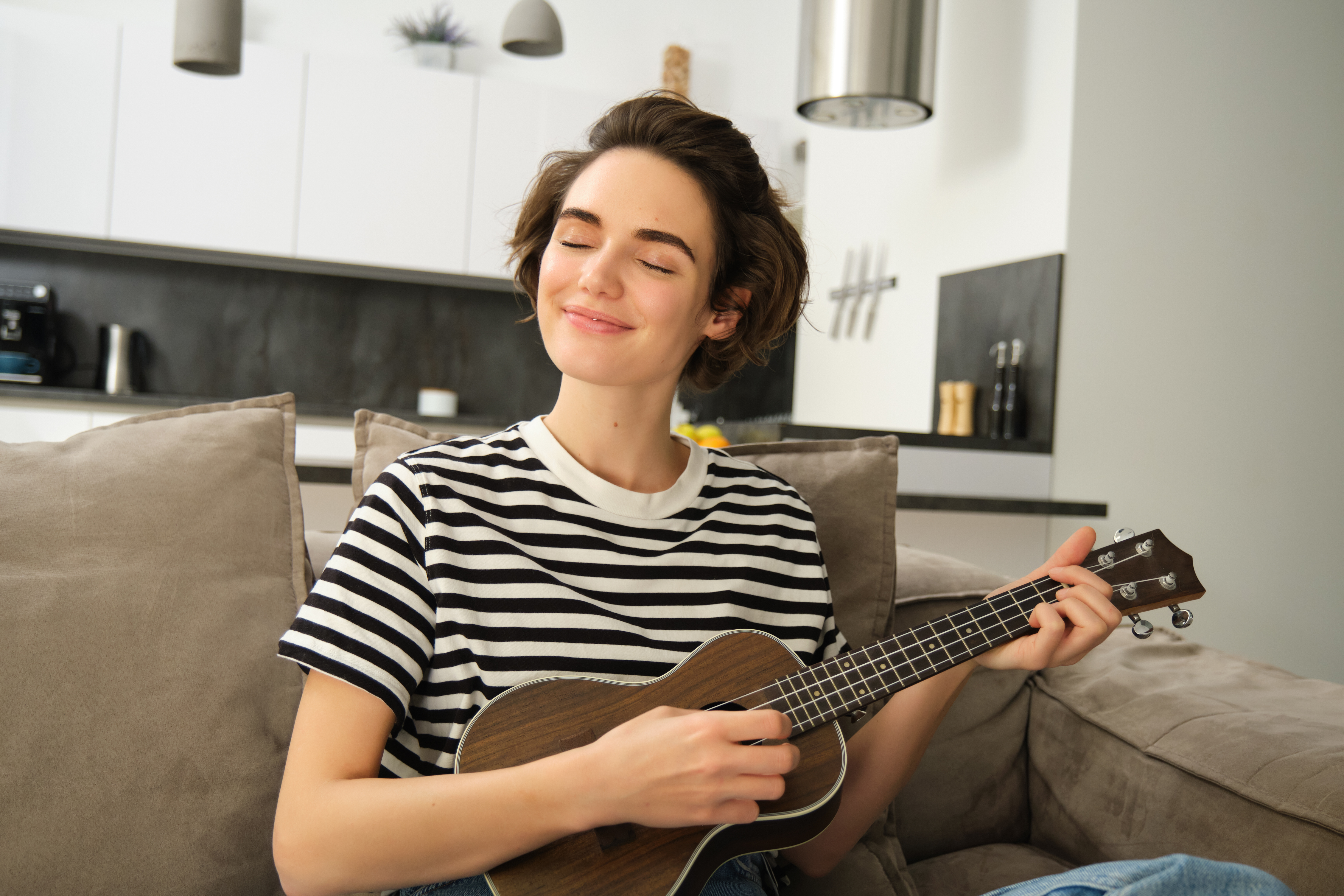
Rhythm is one of the oldest mechanisms of nervous-system regulation. Musical instruments, calligraphy and repetitive drawing:
- synchronise heart rate with motor activity;
- activate the flow state;
- improve prefrontal-cortex regulation.
These hobbies are especially helpful for those with cognitive overload.
6. Light-Based Hobbies: Photography, Observing, Walking
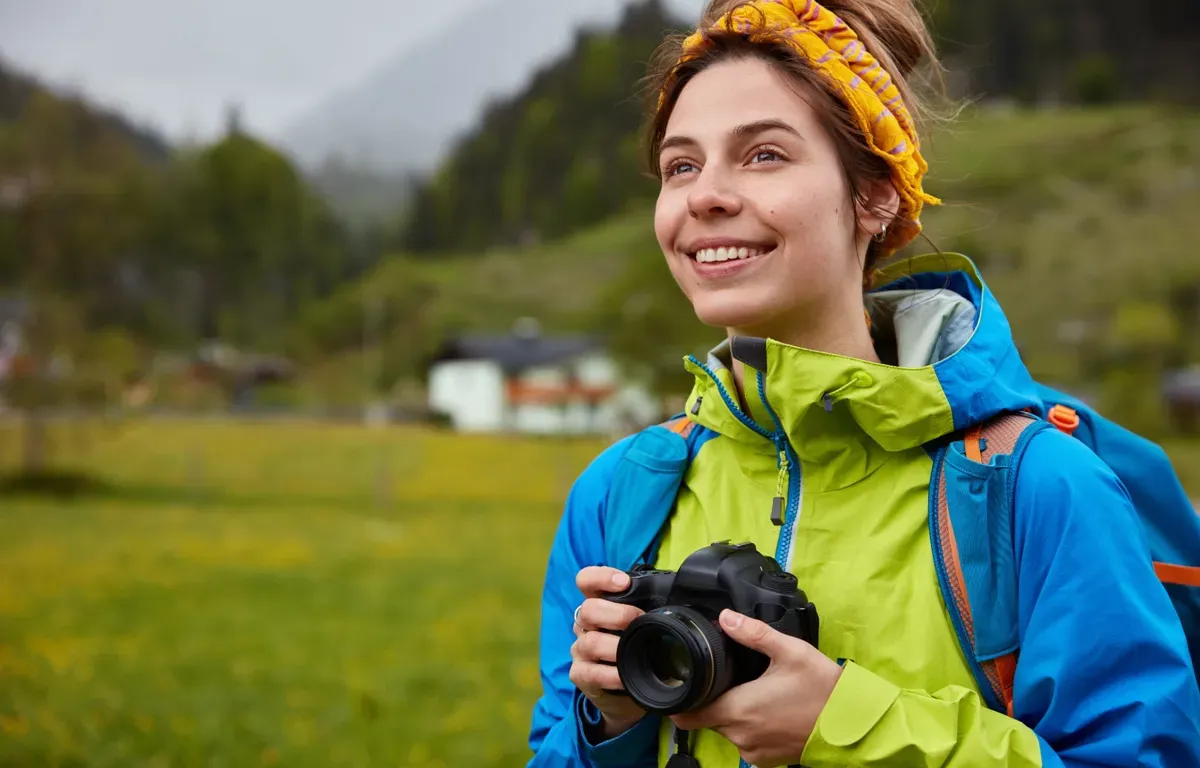
Light is a major regulator of serotonin and circadian rhythms. When a hobby involves light, nature and slow movement, it:
- reduces stress via the serotoninergic system;
- normalises sleep;
- lowers inflammatory markers.
Such hobbies are particularly effective during emotional fatigue.
If you notice that stress and tension have a particularly strong impact on your sleep, take a look at our guide on sleep and the nervous system, where we explain in detail how evening habits, light, daytime rest and body-based rituals help the brain calm down and restore a healthy sleep rhythm.
Why Pleasant Doesn’t Mean “Lazy”
All these hobbies activate deep regulatory layers: reduced cortisol, improved heart-rate variability, altered neural signalling and slower brain-wave states (alpha, theta).
In other words, hobbies are a form of body-based therapy — subtle but powerful.
To explore emotional-skin mechanisms further, see Union Beauty’s article “When the Body Is Tired of Emotions: What the Skin Feels”.
How to Choose Your Hobby: A Practical Sensory Test
Try exploring different types of hobbies over the course of a week:
- water (swimming, sea walking);
- hands (ceramics, crafts, modelling);
- aroma & warmth (baking, broths);
- light & movement (photography, walking);
- rhythm (instruments, calligraphy);
- nature (gardening).
Ask yourself daily: where did my breathing slow? where did warmth appear in the body? where did my thoughts soften?
The body always tells the truth — just very quietly.
Sources (Fact-Checking)
- Field T. Touch for socioemotional and physical well-being: A review. Developmental Review.
- Porges S. The polyvagal theory: Neurophysiological foundations of emotions, attachment & self-regulation.
- Berman M. G. et al. Interacting with nature improves cognition and affect. Psychological Science.
- Heller S. Self-regulation through sensory processing.
- Striedter G. Principles of brain evolution.
- Song C., Ikei H., Miyazaki Y. Physiological effects of nature therapy. Journal of Physiological Anthropology.
- Lowry C. et al. Mycobacterium vaccae and stress resilience. PNAS.
- Jo H. G. et al. Olfactory modulation of emotional states. Frontiers in Psychology.
- Becker E. B., Husain M. Neuroscience of rhythm and flow states.
- Aquatic immersion and autonomic regulation: A systematic review. European Journal of Applied Physiology.