






"The body during and after travel" is a Union Beauty collection on how movement and novelty shift your internal rhythm: sleep, stamina, appetite, reactive skin, and sensitivity to noise, crowds, and pace. We explore why the body can feel "still on the road" even after you return - and how to regain steadiness without pressure or self-blame.
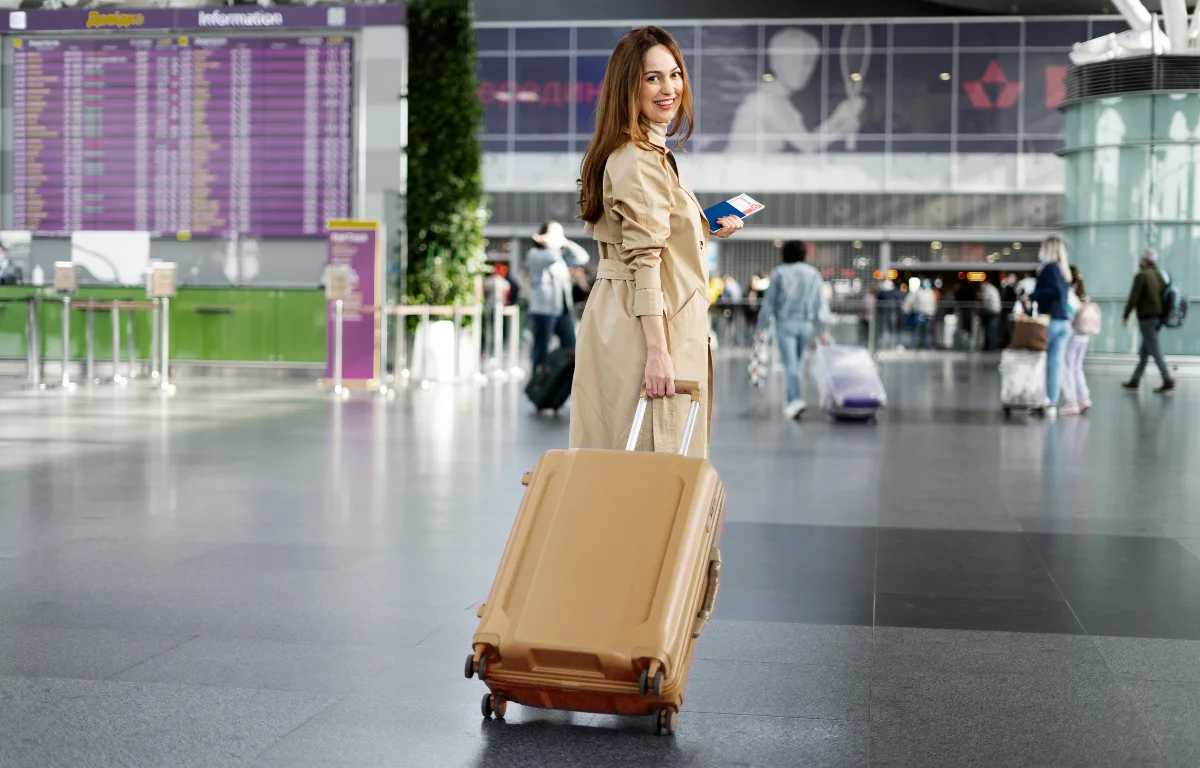
The body during and after travel
How travel changes sleep, skin, energy and the nervous system - and how the body returns to rhythm.
Categories:


Micropauses — tiny stops for post-travel regulation
How does the body return to its own rhythm after travel — and why does it need micropauses to do...


Returning: how the body rebuilds the rhythms of home after travel
Returning from travel is not about place but rhythm: the body slowly rebuilds its home tempo.

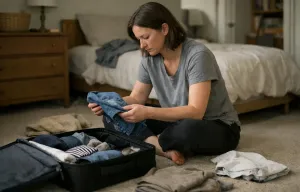
After stimulation: how the body integrates the experience of travel
What happens in the body after travel: the quiet post-stimulation phase where the nervous system integrates experience.


Overload and regulation: how the body manages excess stimuli in travel
Travel increases sensory and cognitive load, pushing the body into adaptation and regulation instead of pure “rest”.

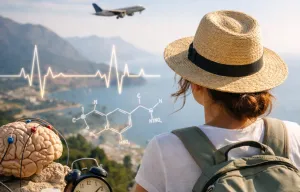
Travel as a shift in inner rhythm: what happens to the body and the nervous system
Travel reshapes inner rhythm: how movement affects the nervous system, energy, and bodily adaptation.


Where the Skin Breathes: The Geography of Calm
Sometimes a place affects the body before skincare does - through air, light, humidity and the feeling of space.
The tag “The body during and after travel” brings together Union Beauty materials about what happens to the body when we move through new places, routes, climates, beds, meals, sounds and social rhythms. Travel is often described as rest, escape or inspiration, but the body experiences it more precisely: as a shift in sleep, attention, digestion, skin sensitivity, energy, sensory load and nervous system regulation. Even a beautiful trip can carry more stimuli than ordinary life - airports, long drives, bright light, unfamiliar food, noise, crowds, decisions, luggage, timing, check-ins, navigation and the constant need to adapt.
That is why this hub looks at travel not only through destinations, but through physiology. What happens to the nervous system during travel? Why can the body feel alert and tired at the same time? Why does sleep become lighter in a hotel or after a flight? Why do appetite, focus, mood and skin sometimes change when the route changes? Why does the body need time to return even after a pleasant trip? These questions are at the center of the collection: travel fatigue, post-travel adaptation, sensory overload, inner rhythm, micro-pauses, skin after travel and the slow rebuilding of home tempo.
Union Beauty explores the body during travel as a living system that constantly reads the environment. Different air, water, food, light, bedding, temperature and pace can change the way we feel in the skin, muscles, stomach, face and mind. For some people, this appears as dryness, puffiness, breakouts, dull skin or sensitivity after flying. For others, it is a wired-but-tired state, unstable appetite, fragmented sleep, irritability, emotional flatness or a strange feeling of being “not fully back” after returning home. These states are not weakness or failure to enjoy life. Often, they are signs that the body has been processing too much novelty at once.
A special focus of this tag is post-travel regulation: the quiet phase after movement, impressions and stimulation. Returning home is not only about unpacking a suitcase. The nervous system has to recognize familiar space again, rebuild morning and evening cues, settle sleep, restore appetite, reduce vigilance and return attention to ordinary life. This is why the materials here discuss micro-pauses after travel, recovery after stimulation, rhythm after flights, travel overload and the small, non-demanding ways to support the body without turning recovery into another task.
The collection also connects travel with beauty and skin in the Union Beauty way: not through quick cosmetic panic, but through context. Skin during and after travel is affected by sleep, stress, air dryness, sun exposure, water, temperature shifts, touching the face, changes in routine and the general state of the nervous system. When the body is overloaded, the skin may become more reactive, tired, dry, swollen or uneven. The answer is not always to add more products. Sometimes the first step is to reduce pressure, return moisture, simplify care, protect the barrier and let the body come back to a predictable rhythm.
These materials are useful for readers looking for grounded, human answers to very specific questions: why the body feels strange after travel, how to recover after a flight, how to reset sleep after a trip, why skin reacts during travel, what helps with post-travel fatigue, how sensory overload affects the nervous system, why travel can be tiring even when it is joyful, and how micro-pauses help the body return to itself. This is not a collection about perfect itineraries or productivity after vacation. It is about listening to the body when movement, beauty, impressions and fatigue meet in one experience.
Union Beauty gathers these texts for people who want to travel without ignoring the body. The aim is not to control every reaction or turn recovery into a strict protocol. It is to understand the quiet signals: when the body needs darkness, water, less noise, slower mornings, simpler skincare, softer plans, familiar food, fewer decisions or a pause before returning to full speed. In this sense, travel becomes not only a route through places, but also a way to notice how deeply the body depends on rhythm, safety, sensory balance and the permission to recover.