






Less overload is not about a perfect routine or a complete ban on screens. It is about how a child’s nervous system responds to light, noise, fatigue, fast-changing stimuli, lack of sleep and constant entertainment. In this Union Beauty collection, we bring together materials about screens, attention, evening meltdowns, boredom as a resource and gentle ways to help a child switch, fall asleep, tolerate pauses and return to calm without pressure.
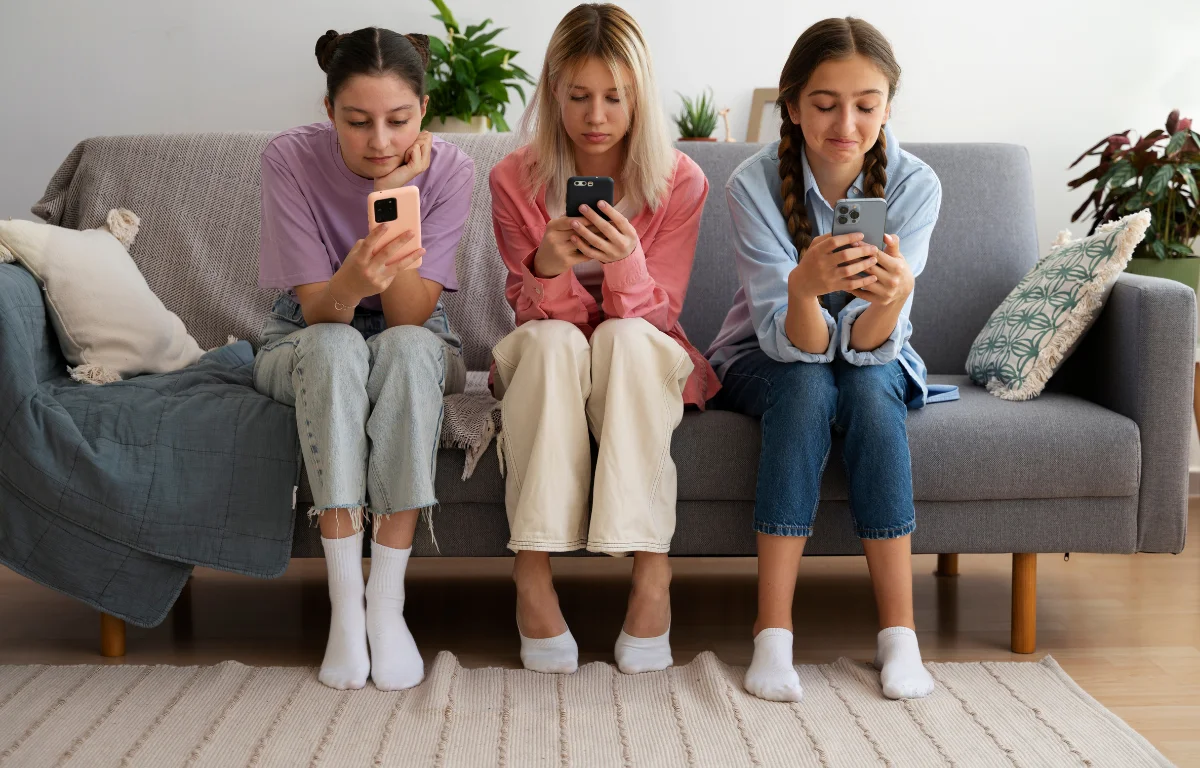
Less overload - sleep, attention, screens
How sleep, screens and attention are connected with a child’s overstimulation - and what helps without pressure.
Categories:


Why It's Hard for a Child to Transition After Screen Time - and What to Do in 2 Minutes
After turning off the screen, it's often difficult for a child not because of stubbornness, but due to attention inertia...


Attention Fatigue: What Prevents a Child from Staying on Task and How to Help Without Pressure
When a task falls apart midway, the reason often isn't laziness, but rather attention fatigue and overload.
-lazy-placeholder.webp)
-medium.webp)
How to Rekindle Interest Without Constant Entertainment: Boredom as a Resource (and How to Endure It)
Not every pause needs to be filled immediately. Sometimes, it is from boredom that our own interests, play, and quiet...

The Screen Is Not Just About Time: When It Helps and When It Replaces Comfort, Connection, and Interest
How to Recognize When the Screen Is No Longer Just Entertaining Your Child but Has Taken Up an Excessive Space...

An Evening Without Struggles: 7 Steps to Easier Sleep (Without the Perfect Routine)
Not every challenging evening means your child doesn't want to sleep—often, they just find it hard to wind down.

How to Reduce Overstimulation: Screens, Light, Sleep, and "Rebooting" Attention
Why does a child "break down" at the end of the day - is it due to their temperament or...
The tag “Less overload: sleep, attention, screens” brings together Union Beauty materials about how modern childhood unfolds in an environment where there are often more stimuli than a child’s nervous system can process. Screens, bright light, fast videos, endless switching, activities, school, commuting, homework, noise, social expectations and the lack of real pauses can build up almost unnoticed. Then, in the evening, adults see not “just a whim”, but a child who finds it hard to stop, hear a request, end the day, go to sleep or tolerate even a small amount of boredom.
In this topic, we look at overload not as the child’s fault and not as proof of “bad parenting”, but as a state of the nervous system. A child may seem stubborn, lazy, scattered or dependent on entertainment, but behind this there is often attention inertia, sensory fatigue, lack of sleep, transitions that are too abrupt, the absence of a predictable evening rhythm or the habit of receiving fast stimulation instead of slower interest. That is why the materials under this tag help to understand not only behavior, but also what is happening underneath it.
A separate focus of this collection is screens and child attention. A screen is not always the enemy: it can entertain, teach, give adults a pause and be part of real life. But it is important to understand when a screen simply occupies a child, and when it begins to replace calming down, connection, independent play, boredom, interest and the ability to switch. After a fast video or game, a child may struggle not because they “do not listen”, but because their attention is still moving at a different pace. Then what is needed is not a sharp cutoff, but a bridge: a short transition, a body-based action, the adult’s voice, a gentle boundary and a few minutes to return to reality.
The second important theme is sleep and evening overstimulation. Not every difficult evening means that a child does not want to sleep. Often, they are already too tired to fall asleep easily. When the day has been full of light, screens, conversations, tasks, trips and emotions, the nervous system can remain in a state of tension even when the body is exhausted. That is why evening rhythm matters: not as a strict ideal routine, but as a sequence of signals that help the child gradually end the day. Less bright light, fewer abrupt transitions, fewer negotiations at the peak of fatigue, more predictability, short phrases and the calm presence of an adult.
This hub also speaks about attention fatigue. When a child cannot stay with a task, falls apart in the middle of a process, freezes over homework or quickly loses interest, the reason is not always unwillingness. Attention has a resource. It becomes tired from too much choice, noise, switching, instructions, lack of sleep and excessive stimulation. A child may need not another demand to “focus”, but a short unloading, a clearer first step, less background noise, a body pause, water, movement or help with getting started. In this approach, the adult does not remove responsibility, but stops applying pressure where resource first needs to be restored.
A separate value of this topic is boredom as a resource. In a culture of constant entertainment, a pause often seems like a problem: the child is bored, so they urgently need an activity, a cartoon, a game, a class or a new stimulus. But it is often from boredom that independent play, inner interest, imagination, quiet observation and the ability to be not only a consumer of ready-made stimulation begin. Boredom does not always need to be removed immediately. Sometimes a child needs help tolerating it: someone nearby, without filling every minute, with enough space for the next movement to gradually appear from within.
The materials under this tag are for parents looking for concrete answers to very practical questions: why it is hard for a child to stop after screens, how to help them switch without a scandal, what to do with evening meltdowns, how to make falling asleep easier without an ideal routine, why a child gets tired during tasks, how to support attention without pressure, how to reduce overstimulation from screens and light, how to bring back interest without constant entertainment and how not to turn family life into an endless fight over “five more minutes”.
Union Beauty gathers these texts for adults who want to see not only protest behind a child’s behavior, but also the state underneath it. Less overload is not about controlling every minute and not about a sterile childhood without screens, noise or emotions. It is about a more attentive environment: softer transitions, clear boundaries, realistic sleep, pauses without guilt, less unnecessary stimulation and more connection. When a child receives not only a ban, but also help returning to rhythm, they gradually get more chances to learn self-regulation, tolerate boredom, hear the body, end the day and restore attention without constant external pushing.