






Sleep and the nervous system is a collection of materials on Union Beauty about how stress, hormones, gadgets, nutrition and evening habits affect falling asleep, sleep depth and the feeling of restoration. We explain why the brain gets “stuck” in stress mode even at night, how cortisol and melatonin govern the sleep–wake rhythm, and what to do if you go to bed already exhausted but still wake up feeling shattered. In this selection you will find science-based advice, simple evening rituals, breathing and body practices that gently calm the nervous system and help you regain the feeling of deep, restorative sleep.
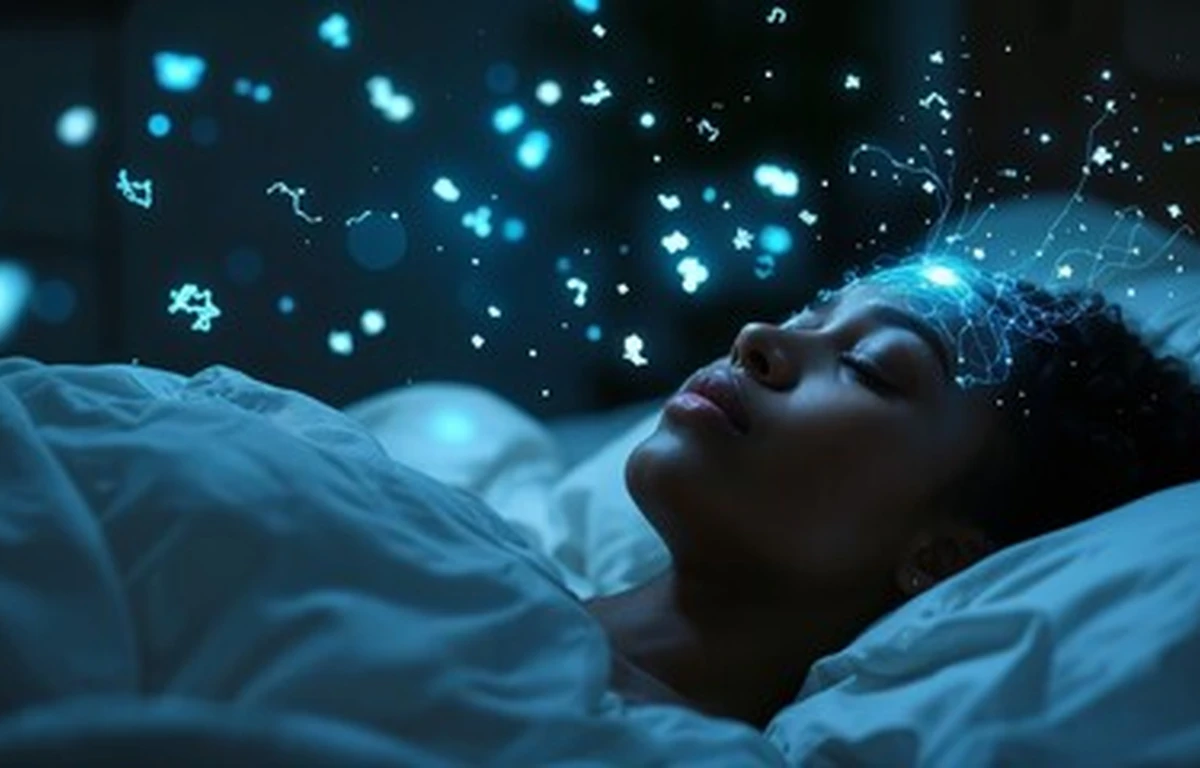
Sleep and the nervous system
Categories:


Microsleep: How Short Rest Restores the Brain
How even 10 minutes of rest can restore focus, calm, and creativity.


Morning rituals that change your day
Discover how simple morning habits lift your mood and energy. Small rituals restore balance, ease anxiety, and add a sense...


What to Do During a Nighttime Panic Attack: Psychologist’s Advice
A nighttime panic attack is not a heart problem but the body’s reaction to stress and exhaustion. Learn how to...
This is a thematic Union Beauty section - a curated collection of materials on sleep and the nervous system. Here you will find texts on insomnia and anxiety, stress and falling asleep, night-time awakenings, light sleep and early waking, daytime sleepiness, circadian rhythms and sleep hormones, as well as gentle ways to restore recovery without pressure or self-blame.
Sleep almost never disappears “for no reason”. More often, it shifts under the influence of factors that are hard to notice at first: chronic stress, exhaustion, an unstable routine, emotional overload, hormonal fluctuations, accumulated experiences. The body lies down to rest, yet the day is still going on inside - the brain keeps working, the nervous system stays on alert as if safety has not been confirmed yet. That is why sleep problems often feel like “I can’t switch off”, even when you genuinely want to sleep.
Sleep and falling asleep are closely linked to nervous system regulation. When the body lives in a state of internal mobilisation, rest becomes fragile: thoughts loop, sleep becomes lighter, night-time awakenings appear, early waking, or a sense that you slept - but didn’t recover. In this section’s materials we explain how stress and anxiety affect sleep, why internal vigilance intensifies in the evening, how cortisol and melatonin relate to the rhythm of falling asleep, and why even profound tiredness does not always guarantee deep sleep.
A separate layer is modern scripts that quietly amplify nervous system arousal. Evening digital noise, endless news and social media, “one more episode”, the habit of scrolling the day to the very end - this is not just background. It keeps the brain in stimulation when it needs closure, quiet, and a gentle transition. We look at how these factors affect sleep quality, and how to change evening habits without radical bans - through realistic substitutions that bring back a sense of completion and support.
An important Union Beauty focus is practicality without “lifestyle” pressure and without self-violence. Breathing micro-practices, grounding, body awareness, brief pauses, warm rituals of closing the day - these are not magic and not discipline, but ways to signal the nervous system: you can let go. In this collection we talk about simple steps that help restore contact with the body and with recovery, especially when sleep is sensitive and the psyche is overloaded.
This section is for readers looking for deep materials on sleep, the nervous system, and stress - without moralising or sensationalism. Here you’ll find texts on why it’s hard to fall asleep, how night-time awakenings work, where daytime sleepiness comes from, how anxiety changes the rhythm of rest, and what supports deeper sleep in real life. Our goal is to help you see cause-and-effect links, name things clearly, and gradually bring sleep back to where it is possible - through safety, clarity, and living presence.