


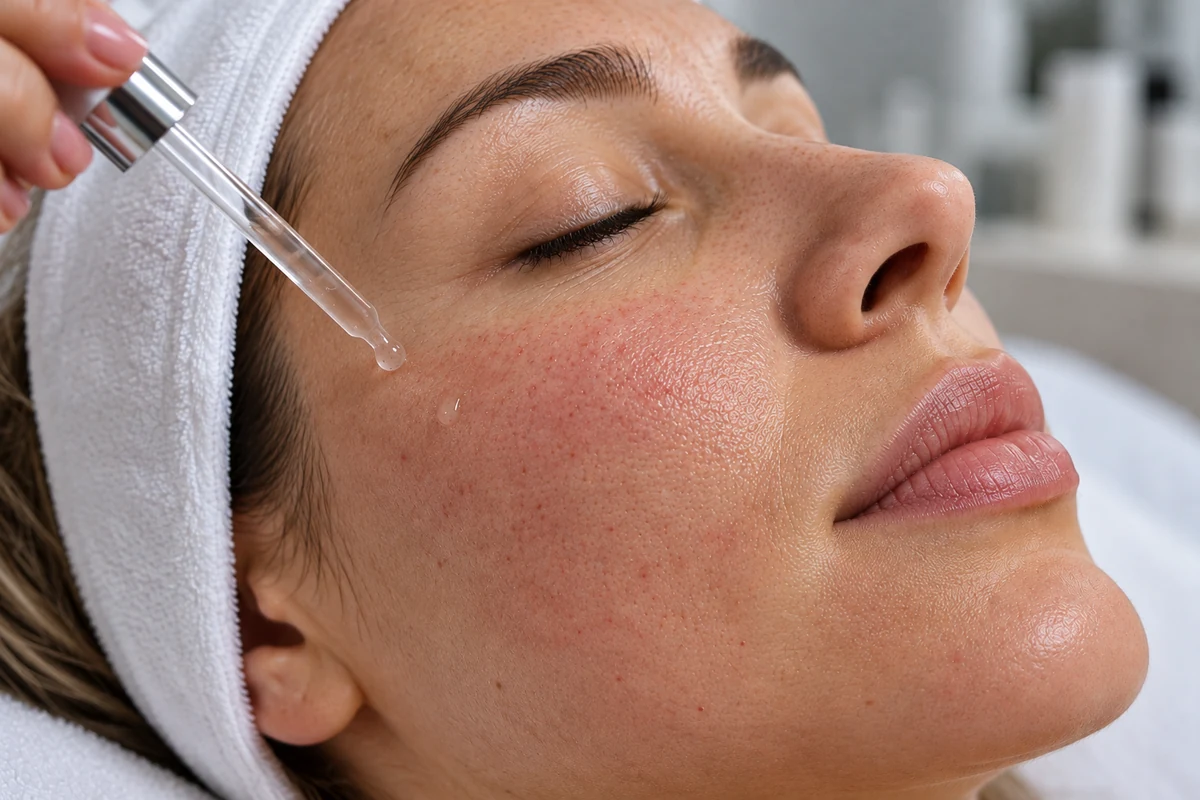
Microneedling is designed to prompt a repair response rather than simply improve the skin’s surface. By creating microscopic punctures, the treatment encourages the production of new skin cells, collagen and elastin. This process is associated with improvements in firmness and texture, as well as visible reductions in the appearance of enlarged pores, scars and stretch marks.
The treatment itself, however, is only part of the equation. What is applied immediately afterwards, and how the skin is cared for over the following days, may influence recovery, downtime and the final aesthetic result. Pairing microneedling with a suitable post-procedure serum is one way practitioners and home users aim to make more of this temporary recovery window.
Why aftercare matters
Microneedling produces what medical aestheticians describe as a controlled skin injury. The resulting microchannels initiate the skin’s natural repair processes while also creating a temporary opportunity for topical products to be absorbed more effectively.
This makes product selection particularly important. A serum used after treatment should be suitable for recently needled skin and should support, rather than complicate, the recovery process. Applying a familiar everyday cream immediately after microneedling may not be appropriate simply because it is well tolerated under normal circumstances.
The intensity of the procedure also matters. A professional session may require several days of dedicated aftercare, while anyone using an at-home device should follow its instructions carefully and adjust product use accordingly.
The case for pairing microneedling with a regenerative serum
Stem cell-derived skincare is increasingly being used alongside aesthetic procedures because of the growth factors, exosomes and other proteins such formulations may contain. These components are intended to communicate with skin cells and support the physiological repair processes already initiated by microneedling.
Calecim Professional Serum, for example, contains 80% PTT-6®, an ingredient developed through two decades of stem cell research. PTT-6® is derived from ethically sourced stem cells and contains growth factors, exosomes, active proteins, naturally occurring hyaluronic acid, soluble collagen and fibronectin.
The serum is designed to deliver these components to the skin and support regeneration. When it is applied after microneedling, the temporary microchannels allow its ingredients to penetrate more deeply than they would through an intact skin surface. The treatment therefore creates the conditions for absorption, while the topical formulation complements the repair response.
The key is ensuring the formula has been developed specifically for post-procedure use and contains ingredients suited to vulnerable, recovering skin.
Improving comfort and reducing downtime
Redness, swelling and discomfort can follow an in-clinic microneedling session. Professional Serum has been used by physicians as a post-procedure product because it has been observed to reduce these effects quickly. Faster relief may make the recovery period easier and allow the visible benefits of treatment to emerge sooner.
Its purpose extends beyond soothing the immediate reaction. The active components in PTT-6® are intended to assist the same healing activity stimulated by the procedure. This pairing may therefore support both short-term recovery and the longer-term aesthetic outcome.
For practitioners, the application method should prioritize even coverage. The face can be divided into aesthetic zones, with the serum applied sequentially and gently worked into each area using small circular motions. Depending on the intensity of the treatment, one or two pipettes may continue to be used during the following days.
Patients may also incorporate Calecim Professional Multi-Action Cream into their wider home-care routine to extend the benefits of an in-clinic treatment. It should not, however, be applied immediately after needling. Use can resume the following day.
A careful approach to at-home microneedling
The availability of home needling devices has made the treatment more accessible, but correct preparation remains essential. Users should follow the instructions supplied with their device, sterilize the roller, and avoid needling any area affected by active acne.
For further guidance on preparing the skin and device, including hygiene recommendations and situations in which at-home microneedling should be avoided, see the Australian Therapeutic Goods Administration’s guidance on microneedling.
After needling, a full pipette of Calecim Professional Serum can be applied to each facial zone. Small circular movements help distribute the product evenly, with attention given to complete coverage rather than vigorous rubbing. Application may continue for the days following treatment.
Because needling temporarily changes how readily the skin absorbs topical substances, it is best to avoid using multiple unverified products simultaneously. A focused routine makes it easier to provide the intended post-treatment support without placing unnecessary demands on recovering skin.
Anyone using Professional Multi-Action Cream should wait until the next day before restarting it. That distinction between immediate aftercare and ongoing maintenance is easy to overlook, yet it is central to building a more considered routine.
Maintaining results between sessions
Microneedling results develop through the skin’s repair activity, so aftercare should continue beyond the hours immediately following treatment. Once the initial post-needling period has passed, consistent hydration and regenerative skincare can help maintain the firmer, smoother appearance associated with the procedure.
Calecim Professional Restorative Hydration Cream or Professional Multi-Action Cream can be used on an ongoing basis for this purpose. The serum takes priority directly after needling, while the creams belong to the maintenance stage of the regimen.
This sequence gives each product a defined role: microneedling initiates controlled repair, the serum supports the immediate recovery period, and continuing skincare helps preserve the visible result. It also avoids the common mistake of treating aftercare as a single application rather than a process extending across several days.
Better results begin with a better protocol
Improving microneedling results is less about increasing the intensity of treatment than making thoughtful use of the skin’s recovery phase. Sterile equipment, even product application, and an appropriate follow-up routine all contribute to a more controlled experience.
A regenerative serum containing growth factors and exosomes may complement the collagen- and elastin-producing response initiated by microneedling, while helping to calm visible post-procedure effects. The combination is most useful when the timing is right: serum immediately after treatment, continued application where appropriate, and maintenance creams introduced from the following day.
Microneedling creates the stimulus. Well-planned aftercare gives the skin the support it needs to respond.
References
1. Clinical study of four microneedling sessions for fine lines and wrinkles (PubMed PMID: 33656167).
2. Systematic review of microneedling for atrophic acne scars (PubMed PMID: 33538106).
3. Calecim® Serum Reduces CO₂ Laser Treatment Erythema and Edema: A Randomized Controlled, Double-Blind, Split-Face Trial.
4. Australian Therapeutic Goods Administration. Microneedling: Things to Consider.
5. Calecim Professional Serum. Product information.