






Вступ: повернення до простих ритуалів
Ми живемо у час, коли все навколо прискорюється: інформація, робота, транспорт, навіть відпочинок. Ми прагнемо робити більше, встигати швидше, бути продуктивнішими. І в цьому нескінченному потоці справ ми дедалі рідше помічаємо прості, але глибокі радощі — запах смаженої цибулі, тріскання скоринки хліба, тепло пари, що піднімається над каструлею. Колись ці миті були частиною нашого щоденного ритуалу, а сьогодні — розкіш, яку ми дозволяємо собі лише у вихідні. Але можливо, саме повернення до цих ритуалів здатне повернути нам відчуття рівноваги.
Приготування їжі — це не лише про результат. Це про шлях. Про кожен рух, про терпіння, про уважність. І якщо зупинитися хоча б на годину, вимкнути фонові звуки тривоги, не думати про дедлайни — можна раптом помітити, як тіло починає розслаблятися, а розум очищається. Це не втеча від реальності — це спосіб повернутися в неї. Саме тому все більше психологів і коучів говорять про кулінарію як про форму медитації. І справді — їжа може стати нашою терапією, якщо ми дозволимо собі відчути її повністю.
Приготування як форма усвідомленості
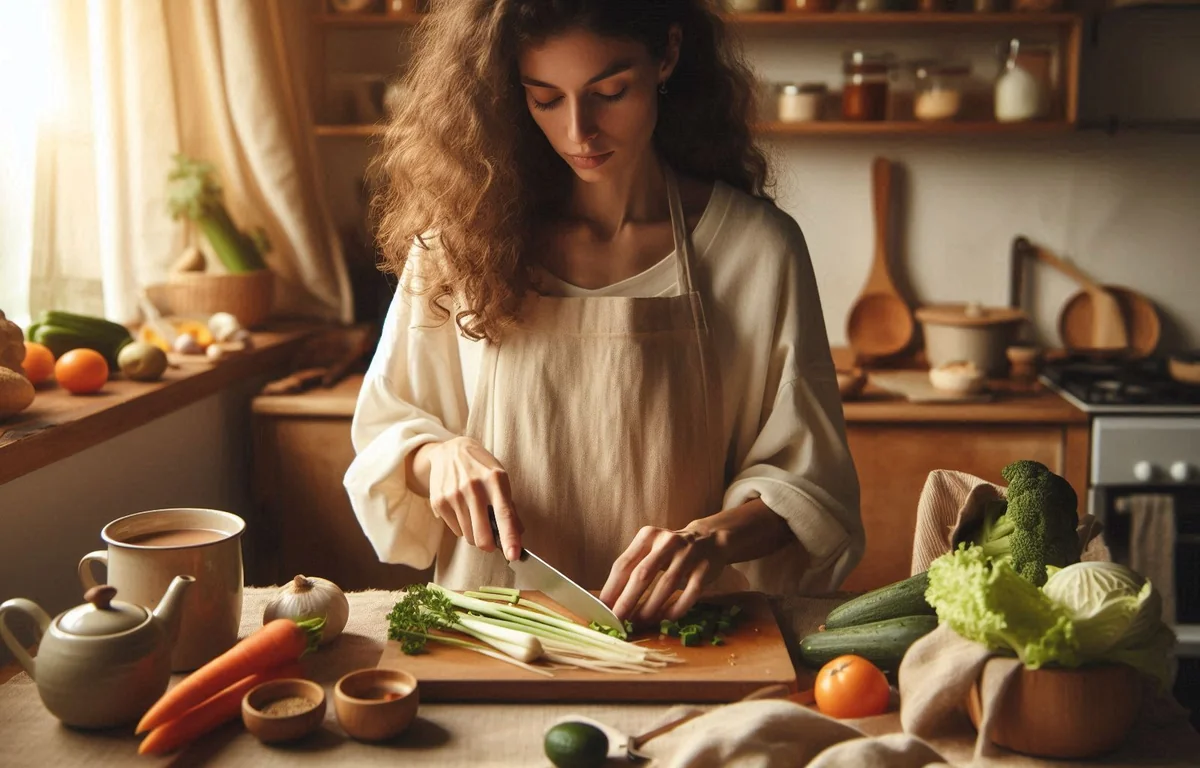
Усвідомленість — це не магічна практика, а звичка бути тут і зараз. Коли ми готуємо, ми маємо унікальну можливість проживати момент тілом. Ми торкаємося продуктів, відчуваємо текстуру, спостерігаємо, як змінюється колір і запах під час готування. Це спостереження за життям у його найпростішій формі. Кожен рух — ніби подих. Кожне нарізання, кожне помішування — це спосіб сказати собі: «Я є».
Коли ми готуємо уважно, ми починаємо помічати речі, які раніше здавалися дрібницями. Як ножем легше різати після правильної заточки. Як аромат цибулі змінюється від гострого до солодкого. Як масло плавиться на пательні, видаючи легкий шиплячий звук. Усе це формує потік — стан, коли свідомість і дія зливаються. І саме в цьому стані ми відчуваємо спокій. Бо тривога живе в майбутньому, а спокій — завжди в теперішньому моменті.
Тому готування може бути не менш медитативним, ніж йога або дихальні практики. Це звична дія, яка дає нам опору, ритм і впевненість. І навіть якщо день був складним, кухонна дошка й ніж можуть стати найкращим способом повернути внутрішню гармонію.
Сенсорний досвід: п’ять почуттів у роботі
Приготування — це унікальний досвід, який залучає всі п’ять почуттів. Ми бачимо кольори овочів і фруктів, чуємо, як сичить пательня, відчуваємо тепло пари на шкірі, вдихаємо аромат спецій, пробуємо смак. У цей момент тіло пробуджується, і ми стаємо присутніми в ньому. Це протилежність автоматизованому життю, коли ми робимо все на автопілоті, не відчуваючи нічого по-справжньому.
Коли ми залучаємо всі органи чуття, активуються глибокі зони мозку, відповідальні за пам’ять і емоції. Саме тому запахи викликають найсильніші спогади. Один аромат кориці може повернути нас у дитинство, до пирогів бабусі. Запах кави — у тихий ранок, коли ми вперше відчули щастя просто бути. Сенсорний досвід — це міст між минулим і теперішнім. І готування допомагає пройти ним, щоб повернути собі втрачене відчуття життя.
Більше того, фізична взаємодія з їжею — це акт турботи. Про себе, про тих, кому готуємо, про саму природу. Ми не просто змішуємо інгредієнти — ми вкладаємо в них частинку себе. І тому страва, приготована з любов’ю, завжди має інший смак.
Рецепт як метафора життя
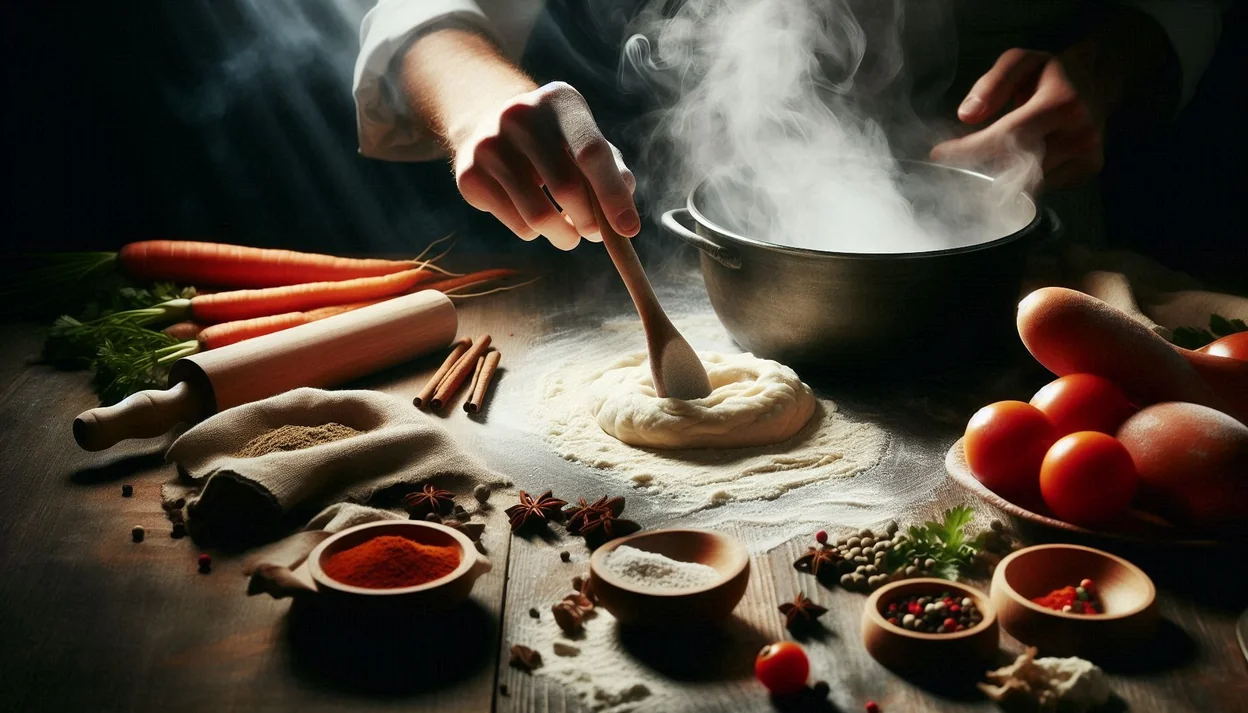
Життя, як і кулінарія, рідко буває ідеальним. Ми можемо планувати, вимірювати, але завжди щось іде не так. І саме в цих "не так" ховається істинний смак. Підгоріла скоринка, тріщина в тісті, недосконала форма — це не помилки, а частина процесу. Вони вчать нас приймати непередбачуваність і знаходити красу у недосконалості.
Готуючи, ми вчимося гнучкості. Замінити інгредієнт, коли його немає. Змінити план, коли страва не вдається. І зрозуміти, що результат — не головне. Бо справжня цінність — у процесі. У терпінні, увазі, спостереженні. Як і в житті, іноді найкраще виходить тоді, коли ми не намагаємось усе контролювати, а просто віддаємось процесу.
Тож рецепт — це не наказ, а орієнтир. І якщо дозволити собі трохи свободи, з’являється творчість. І саме ця творчість робить приготування живим, а нас — справжніми.
Спільне приготування: терапія зв’язку
Є особлива магія в тому, щоб готувати не наодинці. Коли кілька людей разом ріжуть, перемішують, куштують — між ними народжується невидимий зв’язок. Це мова, у якій не потрібні слова. Вона складається з посмішок, коротких фраз, рухів, дотику рук, коли хтось передає ложку або тарілку. Це спільний ритм, який створює відчуття довіри й близькості.
У багатьох культурах готування — це спосіб передати любов і турботу. В Азії вважають, що страва несе енергію того, хто її готував. У Середземномор’ї обід — це не просто прийом їжі, а акт єднання. А в Україні традиційні родинні страви завжди готувалися колективно — з розмовами, піснями, сміхом. Сам процес мав сакральний зміст, бо в ньому поєднувалися покоління.
Коли ми готуємо з дітьми, ми вчимо їх не лише рецептам, а й уважності, терпінню, радості творення. Коли готуємо з партнером — ми ділимо момент близькості, що не потребує пояснень. І навіть якщо іноді щось не вдається — важливим залишається не результат, а спільність.
Науковий аспект: чому готування знижує стрес
Психологи називають кулінарію однією з форм активної медитації. Це діяльність, яка залучає увагу, але не перевантажує свідомість. Вона створює «стан потоку» — коли ми настільки захоплені процесом, що забуваємо про час. У цей момент рівень кортизолу знижується, серцебиття сповільнюється, м’язи розслабляються. Наш мозок отримує сигнал: усе добре.
Також приготування стимулює вироблення дофаміну та серотоніну — гормонів задоволення. Коли ми бачимо результат своєї праці — красиво викладену страву, ароматну випічку — ми відчуваємо гордість і радість. Це підсилює самооцінку, повертає відчуття контролю над життям і створює емоційну стабільність. Саме тому кулінарні майстер-класи часто використовують у психотерапії як спосіб зниження тривожності.
Навіть запахи, які супроводжують приготування, впливають на емоційний стан. Лаванда, базилік, кориця, ваніль — мають заспокійливі властивості. Дослідження показують, що люди, які готують хоча б кілька разів на тиждень, мають нижчий рівень стресу й вищу емоційну стійкість. Тому кулінарія — це не лише побутова справа, а справжня форма турботи про себе.
Маленькі кроки до кухонної медитації
Щоб зробити готування терапією, не потрібно кардинально змінювати життя. Достатньо змінити ставлення. Почати можна з простих речей: готувати без поспіху, без гаджетів, з уважністю до кожної дії. Вимкнути телевізор, поставити спокійну музику, відкрити вікно. Дозволити собі дихати в ритмі процесу.
Можна навіть створити свій маленький ритуал. Наприклад, перед початком коротко подякувати продуктам і собі за можливість творити. Під час готування фокусуватись на диханні. Якщо думки відволікаються — повертати увагу до відчуттів: запахів, звуків, кольорів. Це проста практика, яка з часом розвиває внутрішній спокій і вдячність.
І головне — не прагнути ідеалу. Якщо страва не вдалася — це частина шляху. Кухонна медитація не про результат, а про присутність. Про любов до самого процесу, який робить нас ближчими до себе.
Висновок: їжа як шлях до гармонії
Ми звикли сприймати їжу як паливо, але насправді вона — мова життя. Через неї ми спілкуємося з тілом, емоціями, пам’яттю. І коли ми починаємо готувати з любов’ю, ми ніби знову вчимося чути себе. У шумному світі, де стільки інформації, кулінарія може стати тишею, що лікує.
Їжа, приготована з увагою, має енергію, яку відчувають усі, хто її куштує. Це енергія присутності, любові, спокою. І якщо дозволити собі хоча б раз на день бути в цьому моменті — відчути запах, тепло, рух ножа по дошці — світ стає трохи гармонійнішим. Бо гармонія починається не в медитаційних додатках, а там, де кипить чайник і пахне домашній хліб.